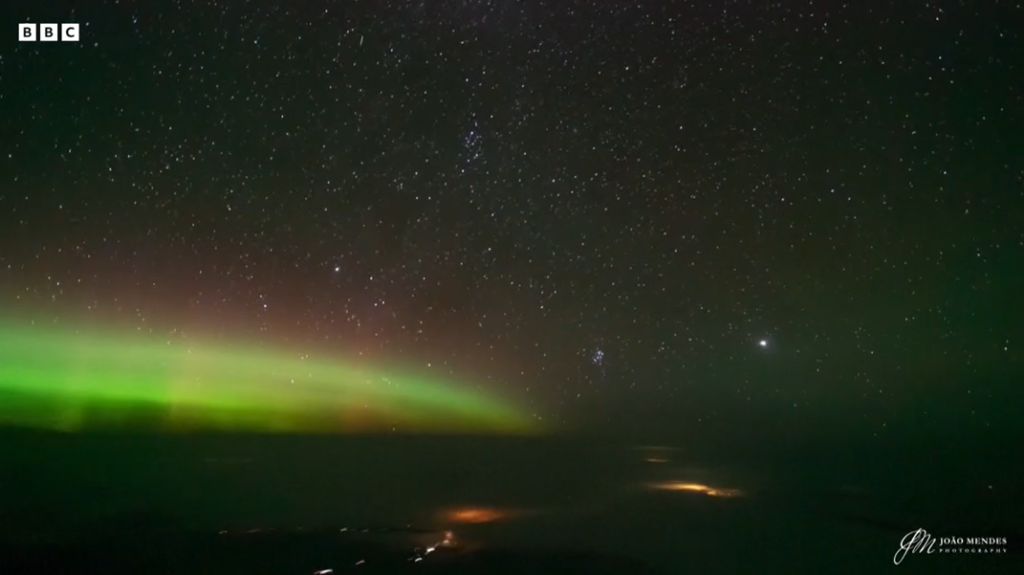
The full video from the BBC is here.
from Victoria-Weather

The full video from the BBC is here.
Remember 2010, when Eyjafjallajökull erupted in Iceland, and kicked up so much ash that it crippled North Atlantic aviation for weeks at a time? Well, there is another large eruption in Iceland anticipated near the Grindavik region, but for now, there are no concerns that there will be similar disruptions.
Temperatures in the early afternoon in Logan are in the upper 40s, should probably settle into the low 50s, just as we all suspected. But that wasn’t where the questions came up. We’ll see what the lows are like tomorrow morning. Dew points are in the mid 20s, which might affect how old it can get over night.

Cold air damming is something that happens when warm air tries to build from the southwest, but it doesn’t spill east over the Appalachians (usually). This is why you are seeing temperatures in the mid to upper 50s through Kentucky, and it is only in the mid 40s in Charlotte and Greenville.
There is an area of low pressure hanging out in the Gulf of Alaska that is sending successive rounds of moisture into the Pacific Northwest. It isn’t a strong system and is really only notable because of the time of year it is arriving. It is the first real snow storm for the northern Rockies and Cascades, and will be persistent and cold enough to bring lasting snow.

We all know about the urban heat island. Typically, city center or airport observation points are the warmest local point in an area. Not Cincinnati! The airport in Covington (KCVG) is the low point around southeast Ohio.

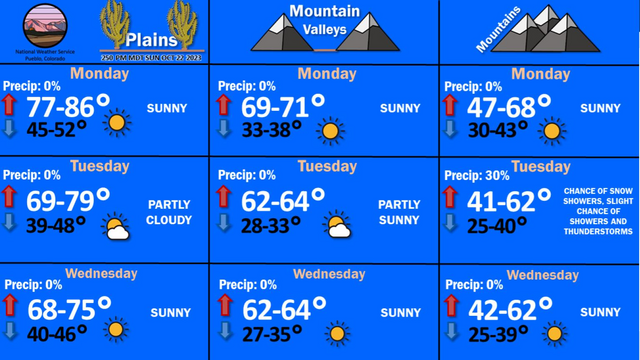
NWS Pueblo just posted this graphic. I think we all know that the Plains are warmer than the mountains, but I think the real intrigue is how close valley temperatures are to the mountains.
Back when I forecast for Victoria, the forecast took into account Hurricane Norma, which was scheduled to attempt to traverse northern Mexico. Well, it’s Sunday, and Norma is still just hanging out. We’ll see what happens with that verification, what with our no show.
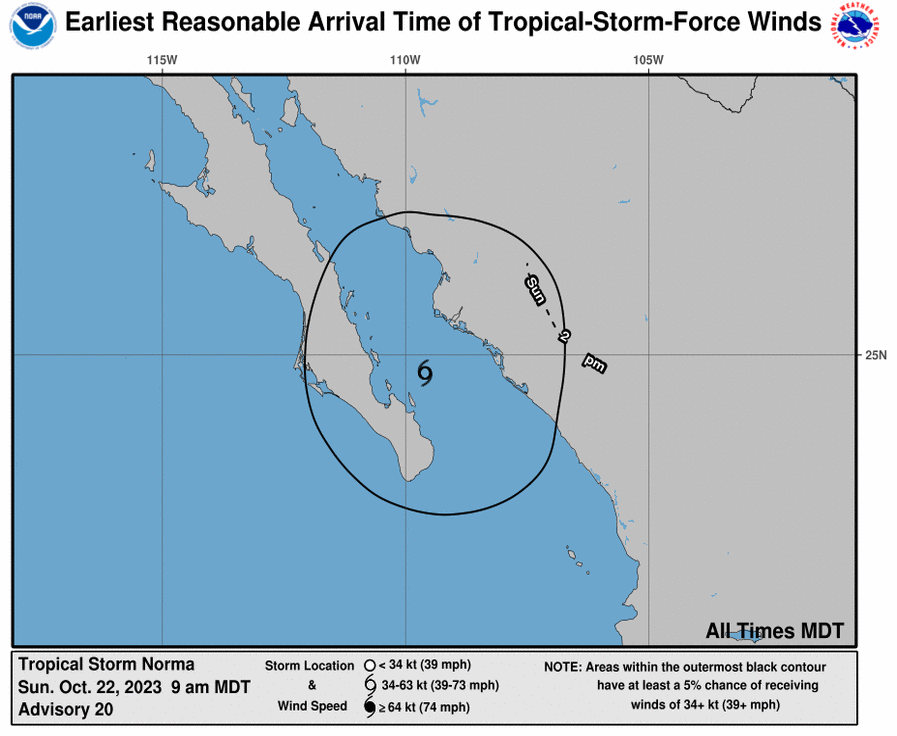
The latest guidance has Norma taking a more northerly tract. It looks rainier than it did when we looked at the beginning of the weekend, but will never really reach east Texas. Instead, look for Norma to bring some heavy rain to west Texas after arriving from the southwest. You know, like tropical features do so often.
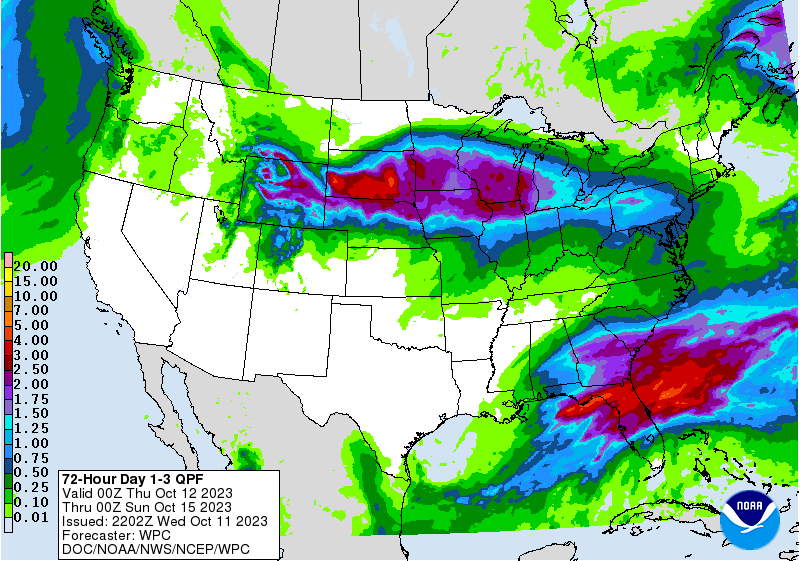
During the most recent forecast, I mentioned a couple of features headed for the headlines this week. First, a system moving through the northern Plains, which incidentally may bring about enough cold air to bring snow as far east as the Nebraska Panhandle. Second is the remnants of Tropical Storm Lidia, and we all know how soggy tropical features can be. That northern feature might even have more rain, at least over the US.
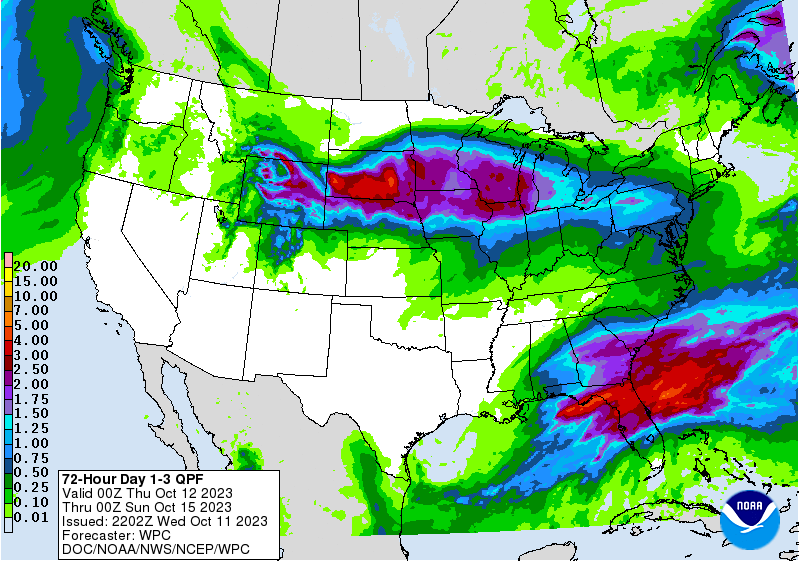
UPDATE: Great news! The threat for snow is looking less than we expected earlier. Still going to be plenty up in the mountains.
It hasn’t been nearly as cloudy as some had in the forecast for Bowling Green. Only the big airports are reporting clouds, and only because their vertical observations get higher. It’s still quite clear that all the warm air is in the Plains. It’s only in the 60s.