Austin stayed on the cooler end of the spectrum after our forecast last week, even as low pressure in the Southern Plains emerged and started drawing warm air to the north. It did get quite a bit warmer, but not to the level some of our outlets expected. Nearly all errors were because the forecast was too warm, and the warmest forecast belonged to newcomer Clime, and as a result were the lowest total, while Victoria-Weather, the coolest ‘cast, earned a solid victory. Actuals: January 14th, High 65, Low 34 January 15th, High 72, Low 47
It is the beginning of the year, and already we have had our first notable severe weather outbreak. With the strong storms pounding the west, it was only a matter of time before the cold air wrought havoc when making contact with the more sultry air east of the Rockies.
Tornadoes left a path of damage in Alabama and Georgia over the weekend, including a tornado that led to the deaths of at least 6 west of Montgomery. The strong areas of low pressure have drawn unstable air as north as Iowa, where the first January tornado was reported there since 1986. Now, a strong storm is expected to leave a foot of snow in the northern High Plains.
It will be the tornado that struck Selma, Alabama that will be remembered the most out of this town, striking a town so closely associated with the Civil Rights Movement on the weekend that celebrates one its greatest champions, Dr. Martin Luther King, Jr. The tornado went through the heart of the city, just north of the down town area and the Edmund Pettus Bridge, damaging homes, churches and businesses throughout the city. StormChasingVideo provides a look at the city and nearby Autauga in the aftermath of the tornado.
As long as cold air resides in the west, feeding into much warmer air east of the Rockies, there will be a threat that storm systems could amplify quickly and dangerously. The snow storm in the Dakotas and Nebraska today will ultimately lead to an additional threat for severe weather in the Mississippi Valley later the is week. The long term outlook, for a cold wet west indicates an active winter in the south as well.
2023 is here! We are two weeks in, only 50 to go. I can’t tell you what is all going to happen this year, but I can tell you what you can expect from Victoria-Weather in the next couple of weeks.
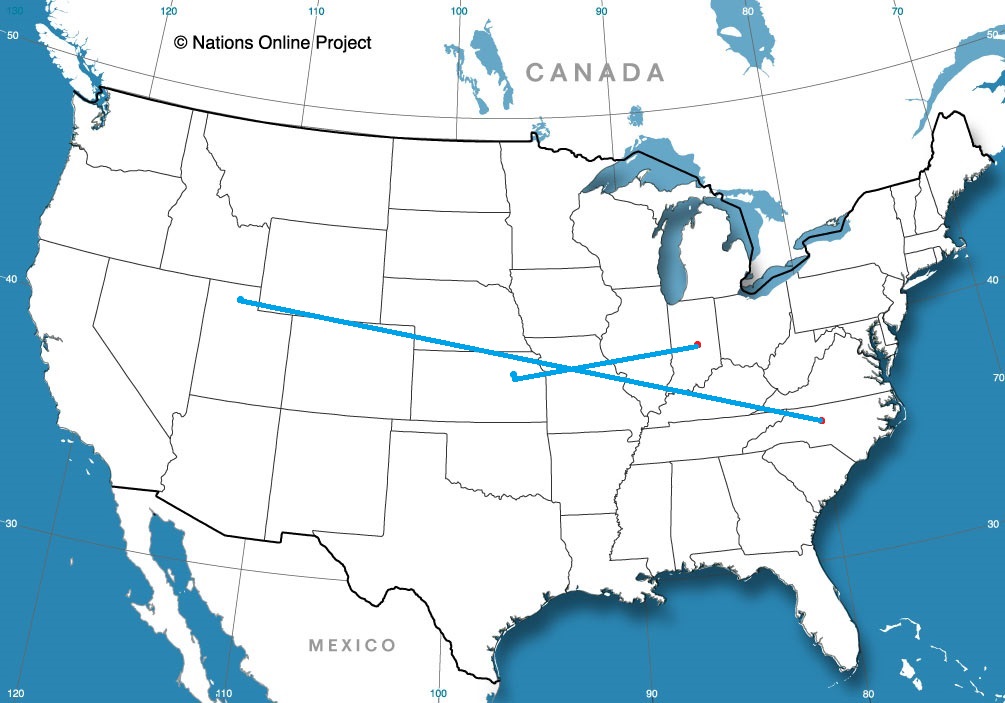
Indianapolis, Indiana Road Trip from Lawrence, Kansas to Indianapolis
Greensboro, North Carolina Road Trip from Logan, Utah to Greensboro
We made it to the first forecast of the year, and the first performance for Clime. Hopefully, the forecast won’t keep Austin weird.
At 753PM, CT, Austin was reporting a temperature of 41 degrees with fair skies. High pressure has settled in over the middle of the country in the wake of a strong area of low pressure that left a trail of destruction through the South yesterday, and has brought a chill to the air across Texas. A broad ridge is encompassing the western US, with an undercutting ridge setting up for the next day or so. For the forecast purpose, this ridge will remain intact through Saturday and usher in a return of some warmer air. The next round of low pressure will arrive east of the Rockies on Sunday, and will begin to deepen swiftly. While it is likely to become the next significant round of wintry weather, it will merely lead to a warm up in Austin on Sunday. Tomorrow – Sunny, High 65, Low 36 Sunday – Partly cloudy, High 75, Low 47
TWC: Tomorrow – Mostly sunny skies. High 67, Low 38 Sunday – Partly cloudy skies. High 77, Low 50
AW: Tomorrow – Plenty of sun; a nice start to the weekend High 64, Low 36 Sunday – Warm with intervals of clouds and sunshine; breezy in the afternoon High 73, Low 50
NWS: Tomorrow – Sunny High 65, Low 37 Sunday – Mostly sunny, High 75, Low 48
WB: Tomorrow – Mostly sunny, High 64, Low 38 Sunday – Partly cloudy, High 74, Low 51
WN: Tomorrow – Mostly sunny, High 65, Low 37 Sunday – Partly cloudy, High 75, Low 48
CL: Tomorrow – Sunny, High 67, Low 38 Sunday – Sunny, High 77, Low 52
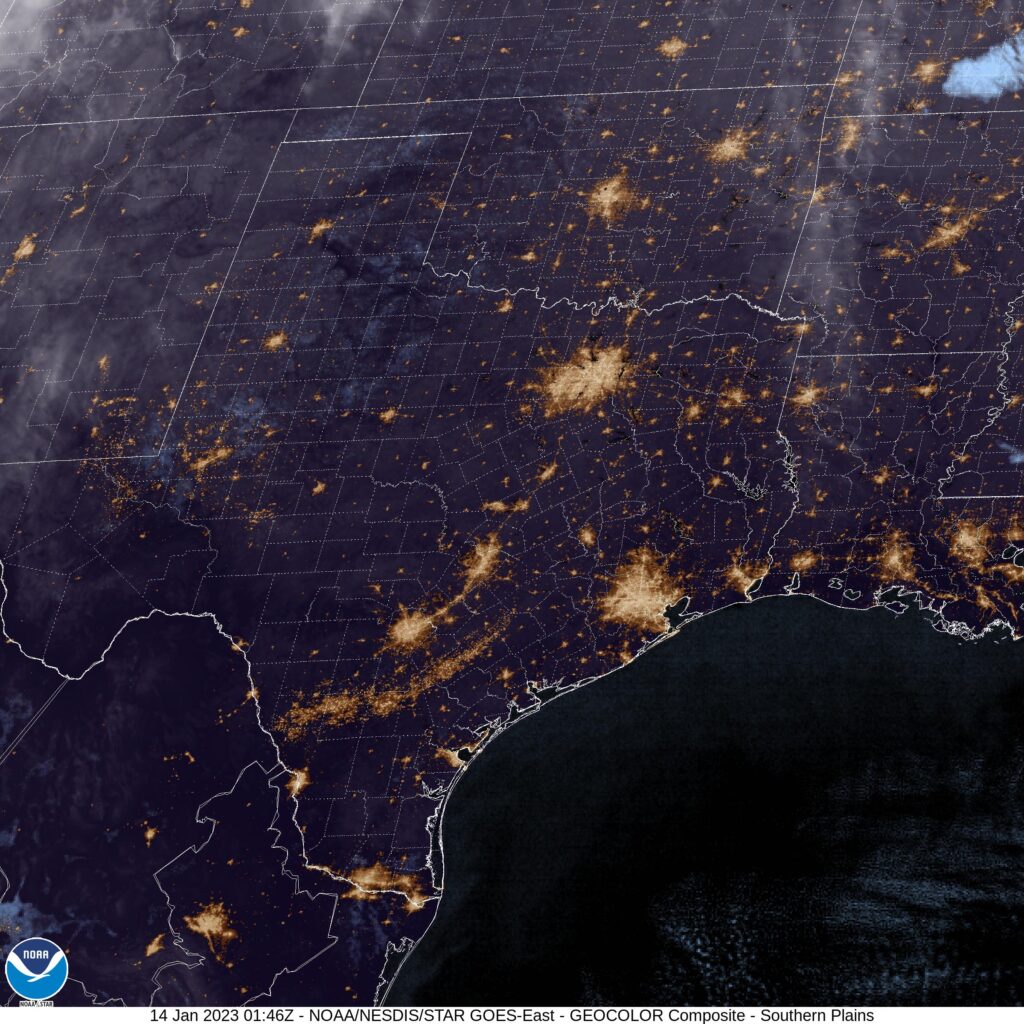
Oh man, I was worried that Clime was going to start with a carbon copy of The Weather Channel, but then that Sunday low came through. Similarity is explainable though, given how stark the satellite looks.
Strictly speaking, this is our first forecast of 2023! Finally! We’re going to cover a road trip through the Southeast, which will cover merely one day, but it will be a full 8+hour day that entails 522 miles. We will pace ourselves at about 63mph, slowed by some back roads and certainly by Atlanta.
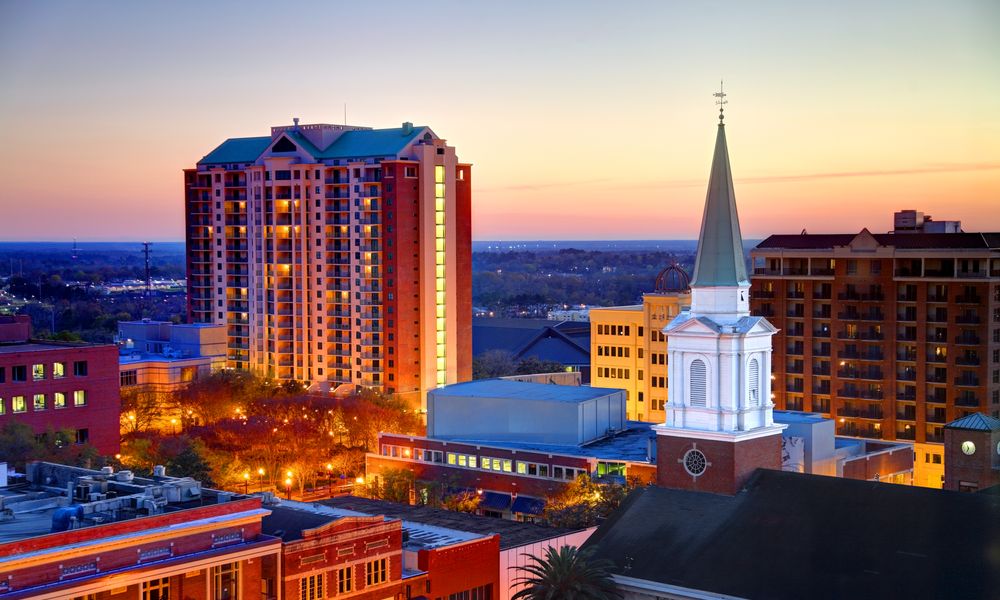
Tallahassee, Florida
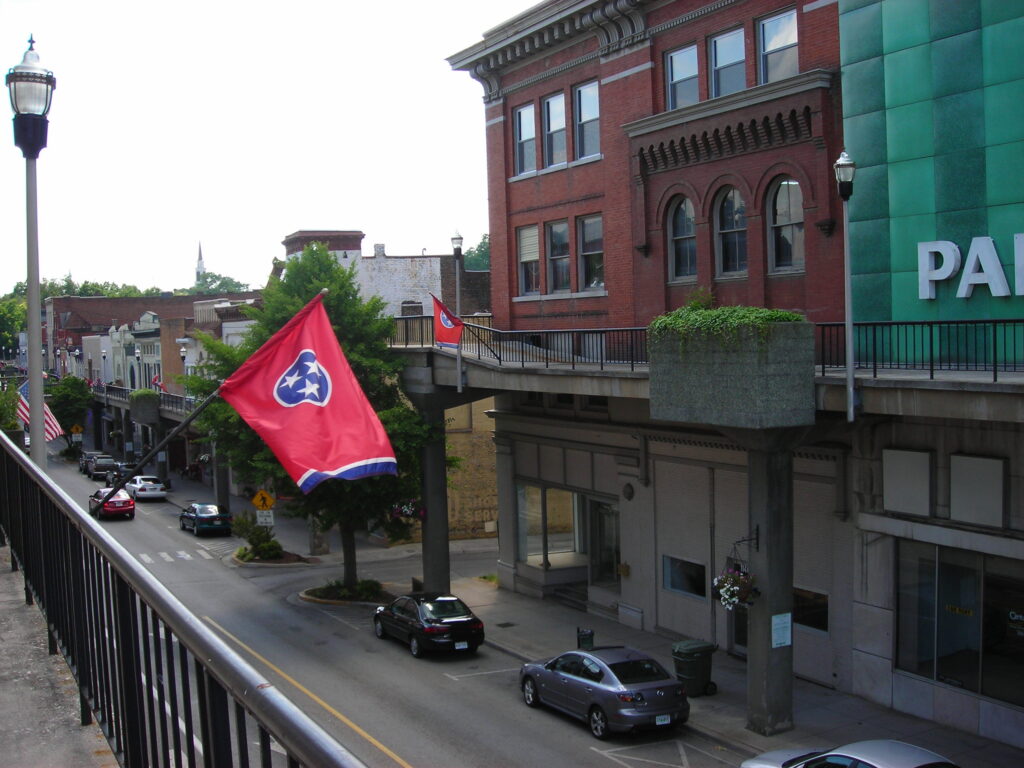
It’s pretty quiet in the southeastern US right now, and that might lead intended travelers to think they have a good shot at getting quickly out of town and on the road. Not so fast. Surface low pressure in the Panhandle region will shift into the Lower Mississippi Valley overnight and really absorb a lot of the moisture. What is a non story tonight will quickly become active, bringing rain to Morristown by lunch time. The threat for wet weather will start on the drive, likely northwest of Atlanta, and between Marietta and Calhoun, the brunt of the cold front will arrive, with thunderstorms and wind likely. North of the boundary, it will be cooler, but still windy and a little rainy. This can get dicey in the undulations of eastern Tennessee, so be careful northeast from Chattanooga on slick roads. After a long, stormy day… Morristown!
Many lamented the loss of Forecast.io across the internet, and perhaps in honor of their impending retirement, Forecast.io did better than normal. That is to say, they finished in a tie for 4th. Lewiston withstood a Pacific storm that brought precipitation to the Cascades and Northern Rockies, and eventually to the middle of the country. Lewiston only had about an eighth of an inch of rain between the two days of our forecast period at the end of the year, and temperatures lingered just below 50 degrees. All told, it wasn’t nearly the story seen outside of the region between the Ranges. The Weather Channel rang in the new year with a victory. Actuals: December 30th, .04 inches of rain High 50, Low 37 December 31st, .09 inches of rain, High 46, Low 36
There are phrases that have been around the meteorological lexicon for years, and then get adopted into the media, and become part of what many find to be a sensationalized parlance. The polar vortex stands out to me, as does the bomb cyclone. These are real, definable things that suddenly take on a more ominous tone because they are uttered on the news regularly.
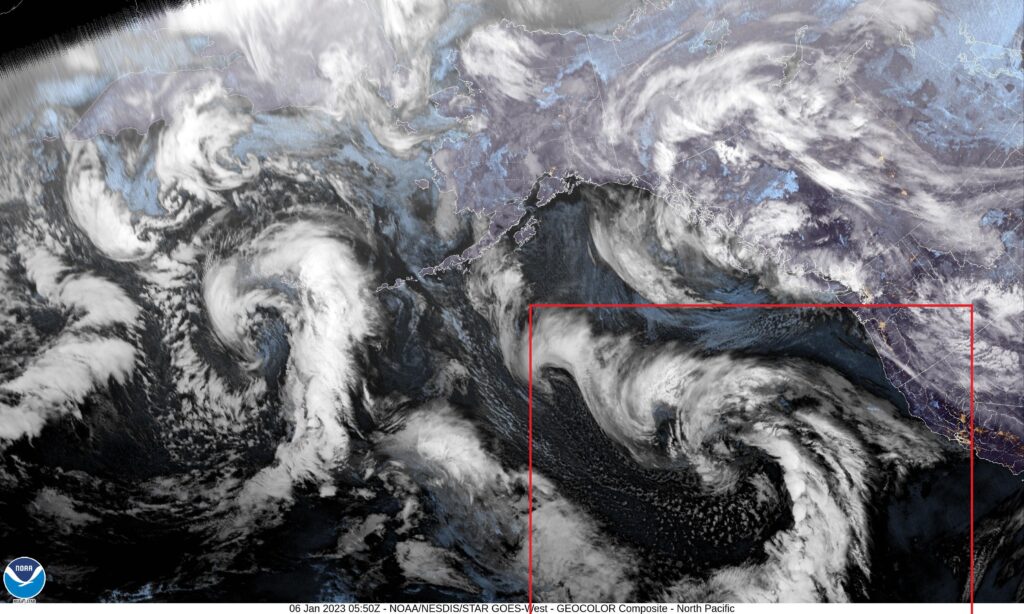
Right now, we are hearing about the “Atmospheric River”. Allow me to show you what that result of the atmospheric river is on satellite. It’s unusual, I think, to look at satellite over the north Pacific, because it isn’t somewhere we usually look at, and the perspective is a tad wonky, but here it is.
And that, boxed in red, is an area of low pressure, showing off the typical comma shaped cold front with a little warm front evidenced as angling towards San Francisco Bay. It’s not particularly unusual, but the discussion surrounding this feature is probably amplified by the persistent drought, which has rendered rainmakers rare over the last several years, and ongoing concerns over climate change flaring anxiety over every weather phenomenon.
The jet, in response to oceanic circulations, tends to rise and form a ridge at the California Coast, leading to the semi permanent Gulf of Alaska low (which feeds moisture into British Columbia and the Pacific Northwest with regularity) and a semi permanent area of surface high pressure west of the Baja Peninsula. In the winter, the jet is more apt to dig a little bit further south, because the cold California coastal waters don’t cause the atmosphere to differ as extensively as happens in the summer, and that coastal ridge can break down.
So the jet sinks south, and a regular old area of low pressure moves into California. It is coming off the ocean, so it will be laden with moisture, and it is interacting with the terrain, so it will dump a lot of precipitation, especially in the Sierras. This will do a lot of work in refilling dried reservoirs as the snow melts in the spring, and is how California usually maintains a sustainable quality of life. The southern source of the jet has led, in the past, to some “atmospheric rivers” to be dubbed “the Pineapple Express”.
All they are, really, is a more southerly jet that brings consequential weather to the West Coast. he phenomenon isn’t strange, but the location is, made a little bit more unusual by the recent climatology.
We’ve made it through 2022, and are looking forward to 2023. The end of the year saw The Weather Channel claim the final prize, though the newly retired Forecast.io was close behind. The Forecast.io site is already shuttered, and there are widespread lamentations over the DarkSky app. After the few years we’ve used that site as one our verification comparables, I can confirm that it was one of the easiest to use, and most readable, accessible outputs. On the other hand, it was consistently the least accurate, proving the continued value of meteorologists inserting their input in the process. In fact, despite Forecast.io’s strong end, it was the worst outlet of the year, and it wasn’t close. Alternately, the National Weather Service was abominable in December, but were the top forecast of the year. They had a steady hand throughout the season, racking up only the third most individual forecast wins of the year, but still won the year’s title. It was made closer by their sloppy end, but the first 11 months were so good, it didn’t matter. Congrats to the Weather Service on their year, and a Happy 2023 to everyone!
This forecast is coming out too late to factor into our standings or anything like that, but it will serve as a send off to the newly retiring Forecast.io. Starting on January 1st, we will be using Clime. I would love to use Fox Weather, but they still haven’t managed to produce a website with local forecasting.
At 956PM, MT, Lewiston was reporting cloudy skies with a temperature of 42 degrees. While the west didn’t experiences the frigid temperatures seen in the eastern 2/3 of the country over Christmas, a deep trough has set up over the Rockies, with a strong jet, a so called atmospheric river, pumping moisture into the Pacific Northwest. Winter Weather advisories have been issued just to the north of Lewiston, with more to the south. It remains quite likely that snow is on it’s way in Lewiston as well. The next round of wet weather is already Pressing ashore in western Washington and Oregon, bringing steady precipitation to the Cascades. Lewiston’s presence between the Cascades and the Rockies of western Montana will spare some of the more significant snows, as will temperatures that will flirt with freezing. Additionally, a prominent surface feature is forecast to organize in the Great Basin, south of Idaho through the next two days, sapping Lewiston’s moisture and ultimately bringing colder temperatures as the snow ends. Nevertheless, snow with a bit of light rain mixed in are possible from mid morning tomorrow and onward for about 24 hours before clearing arrives. Tomorrow – Light snow with a bit of light rain, High 47, Low 37 Saturday- Early precipitation, generally falling as rain, High 41, Low 32
TWC: Tomorrow – A mix of clouds and sun early, then becoming cloudy later in the day (rain/snow late). High 48, Low 36 Saturday – Considerable cloudiness (Early mixed precip). High 45, Low 35
AW: Tomorrow – A couple of showers of rain or snow in the morning; otherwise, mostly cloudy High 51, Low 37 Saturday – Mostly cloudy High 46, Low 37
NWS: Tomorrow – Rain, mainly before 7am. High 50, Low 37 Saturday – Mostly cloudy, High 45, Low 36
WB: Tomorrow – Mostly cloudy with rain or snow in the morning then mostly sunny in the afternoon. High 47, Low 36 Saturday- Partly sunny, High 45, Low 37
WN: Tomorrow – Partly cloudy with isolated showers, High 49, Low 39 Saturday – Partly cloudy, High 42, Low 34
FIO: Tomorrow – Light rain throughout the day. High 47, Low 37 Saturday – Mostly cloudy throughout the day. HIgh 44, Low 34
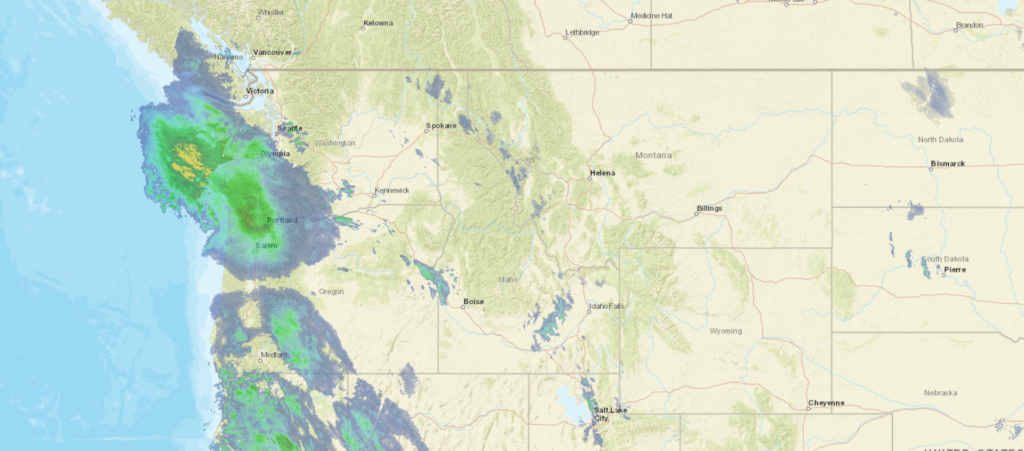
Clouds and the amount of precipitation in Lewiston will all play a factor. I think there is a huge bust potential overall with this dynamic system in the mountains. I am banking on it skewing colder. Look at all the rain coming for the Cascades at this hour!
My parents live part of the year in south Florida, due east of Fort Myers Beach, which was among the hardest hit areas by Hurricane Ian this September, along with Sanibel Island. Inland, in places like Estero, Bonita Springs and the south side of Fort Myers, the lack of coastline prevented the storm surge and flooding that proved so catastrophic to Fort Myers Beach, wiping the beloved Time Square shopping area off the map.
Southwest Florida had a very good run, avoiding hurricanes for a very long time. That was true until 2017, actually, when, after battering the Caribbean and the Florida Keys, Hurricane Irma made landfall at Marco Island, and moved through the Peninsula from south to north. Ian made landfall further to the north, and was more specifically aimed at the Fort Myers area.
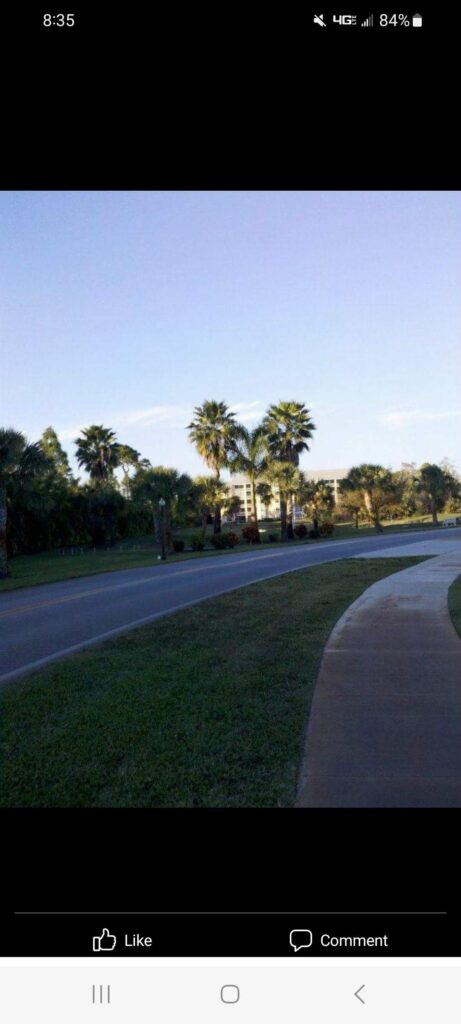
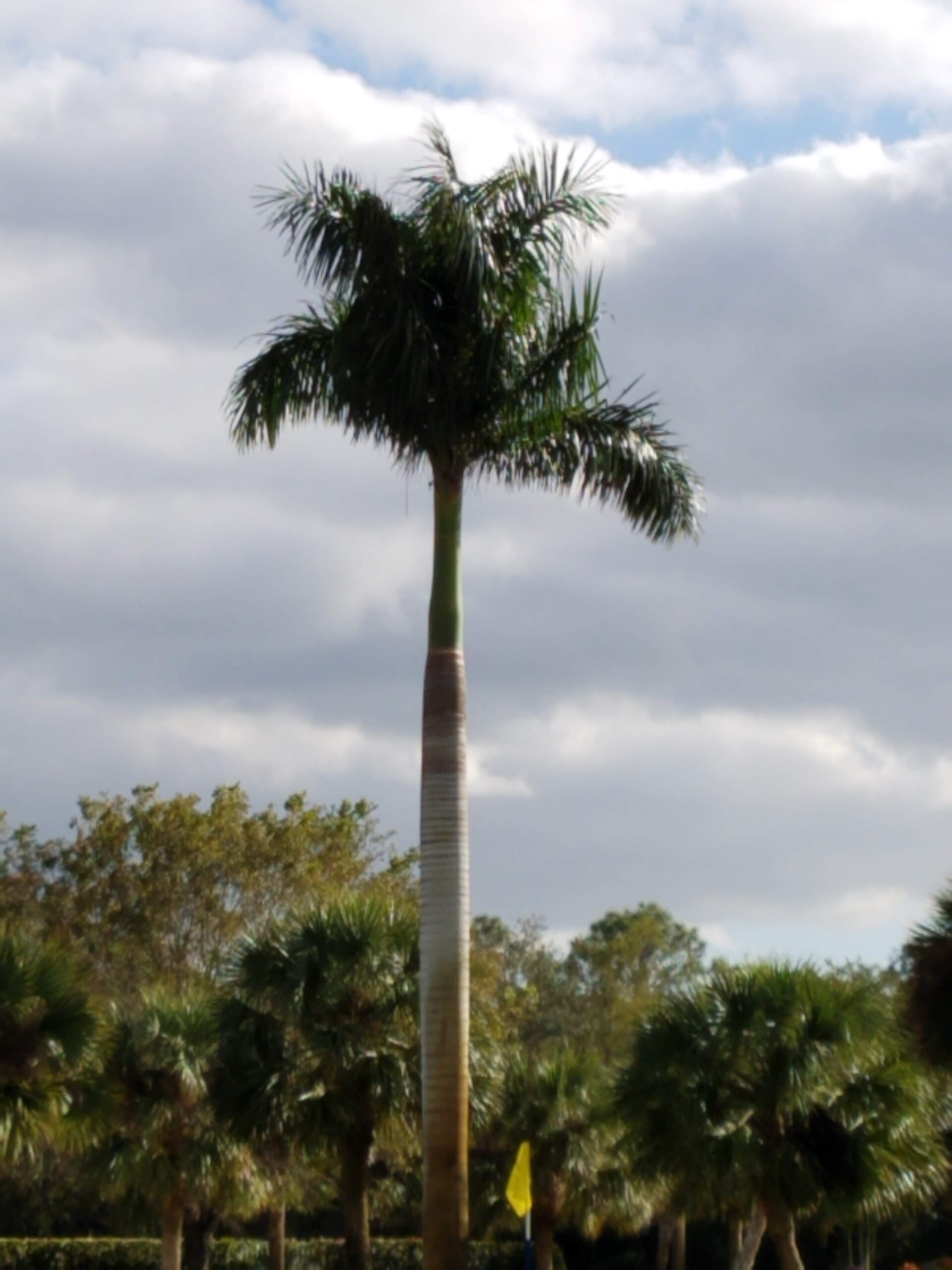
There was a grove of palm trees that I particularly admired the first time I was down there, about 10 years ago. 3 royal palms stood near the pin of one of the short holes of the course, and were a photogenic and stately landmark at the facility. I took a picture and had it as my phone background for a while.
Trust me, they were stately. This is a screen shot of a years old picture, and don’t do them justice. 5 years after this picture was taken, Irma came to pass. Irma decimated the foliage of Estero. The tree cover was significantly less around the facility, and what trees weren’t taken down were defoliated. Cypresses were laid bare, and stood out the most. The palms that weren’t felled stood proud. Of that trio, that was the case.
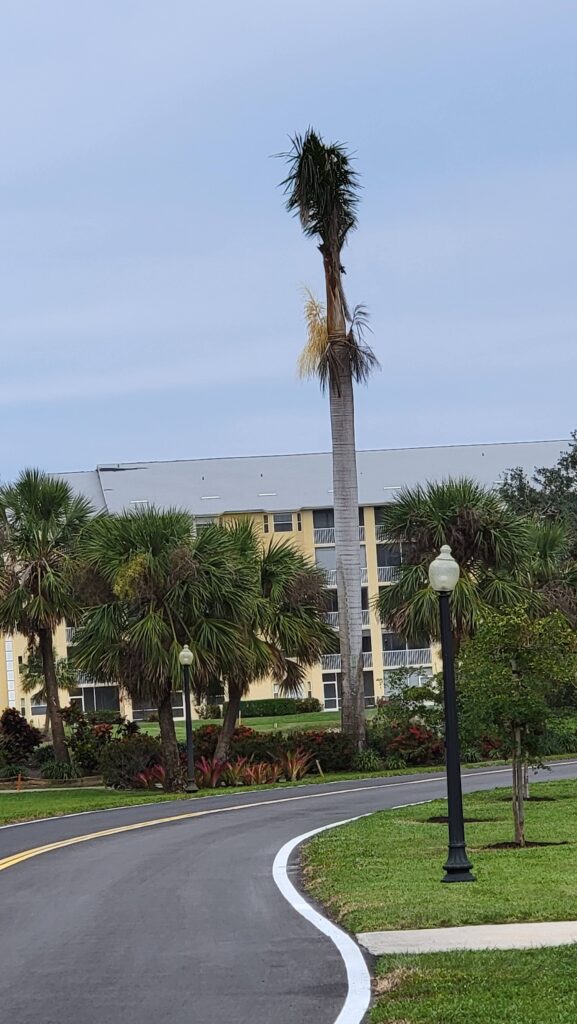
Only one of the palms survived Irma, and the tall palm in the trees behind the stand, for example, was also lost. But this pine stood as a stately welcome and a great object to aim at from the tee box.
Ian was a different beast. The damage with Ian produced more structural damage. My parents’ building was ok, though the carport was destroyed. Throughout the town, there are still tarps on roofs. Even buildings adjacent to their facility had unrepaired roof damage. The most noticeable damage to a visitor was in the signs for various venues. There was a Waffle Us and a Chi i around town, with letters gone and yet unrepaired. Still more signs were completely decimated, living only a ring where a corporate brand had once been.
That remaining palm though, stood tall. He definitely looks worse for wear, and is a stoic reminder of what Irma and Ian have wrought on the region.