AI in the weather

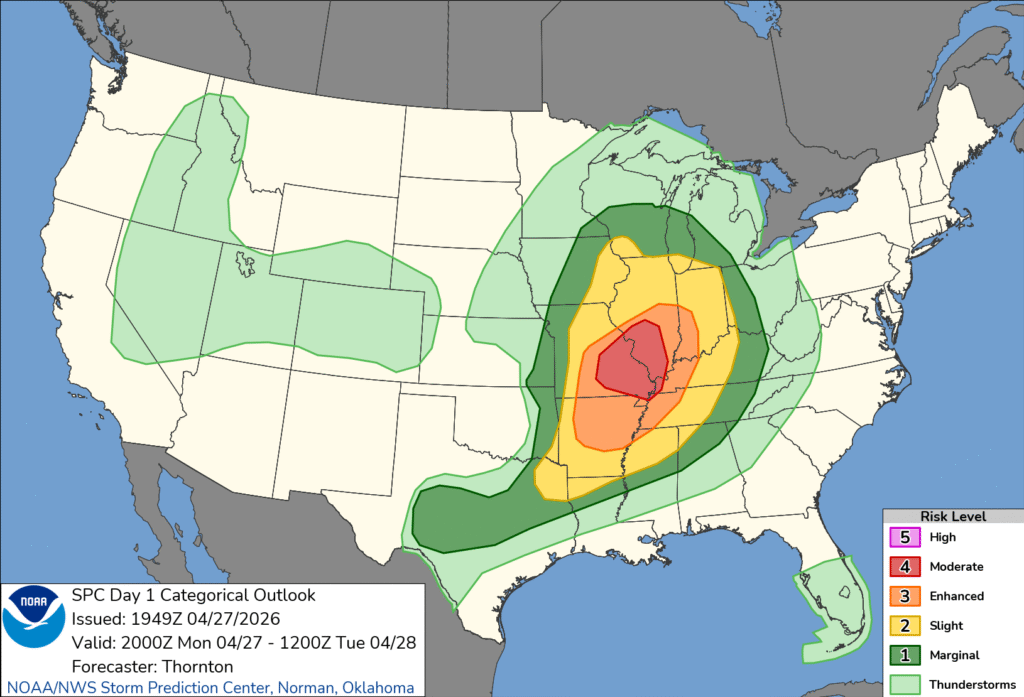
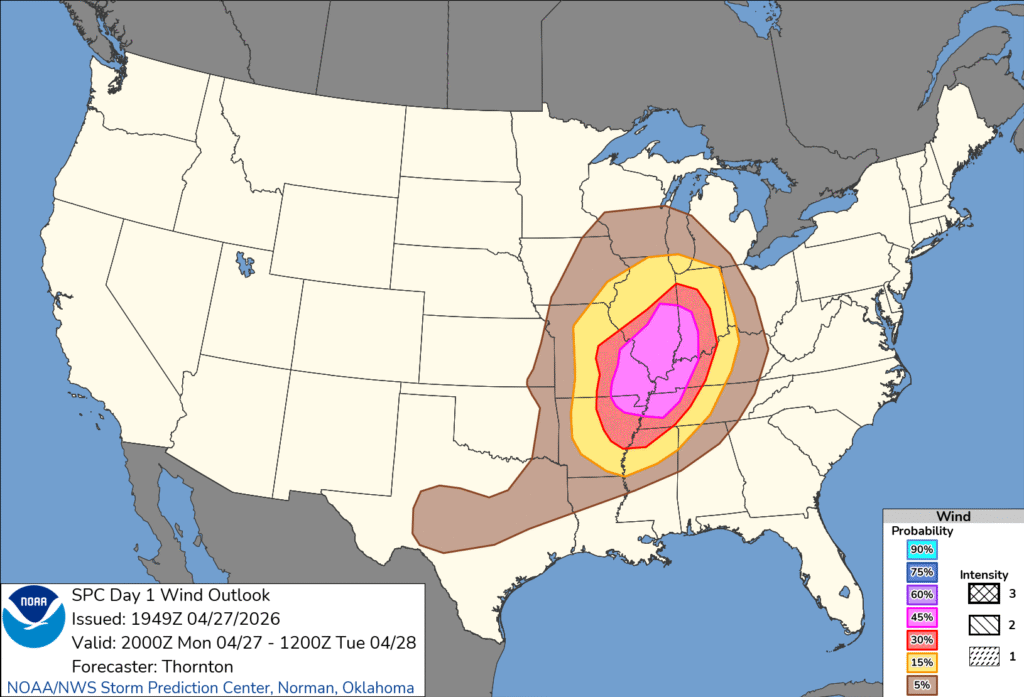
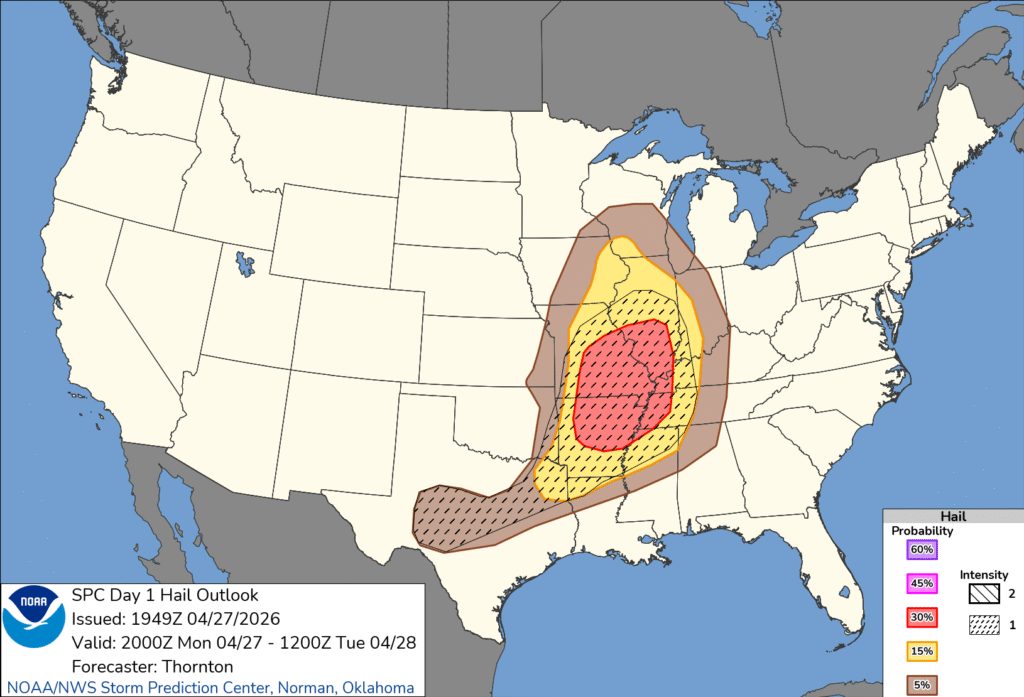
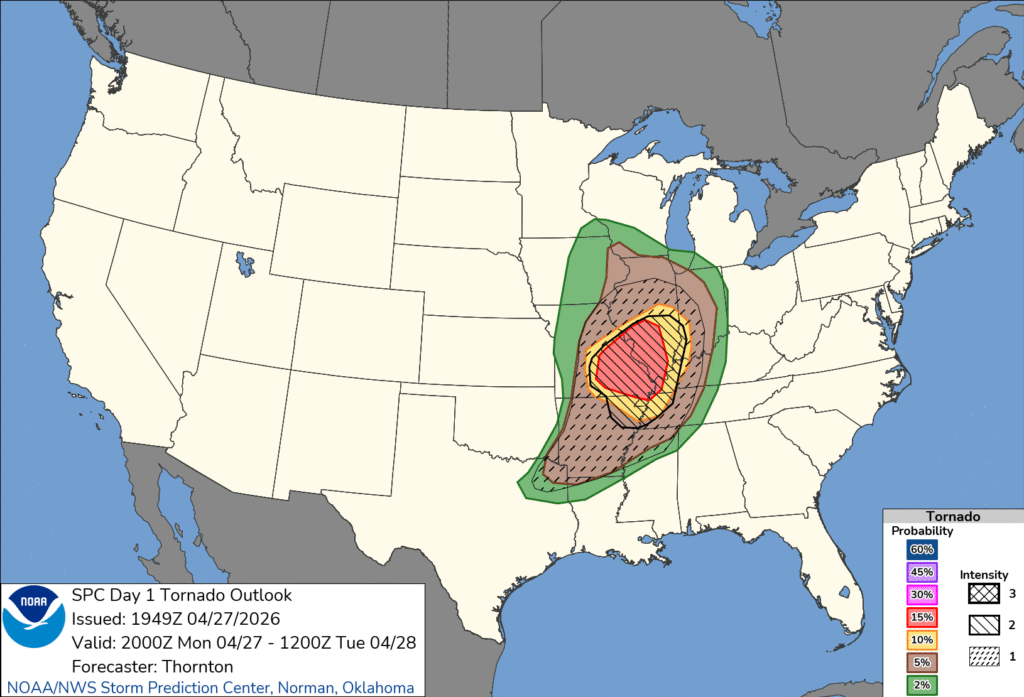
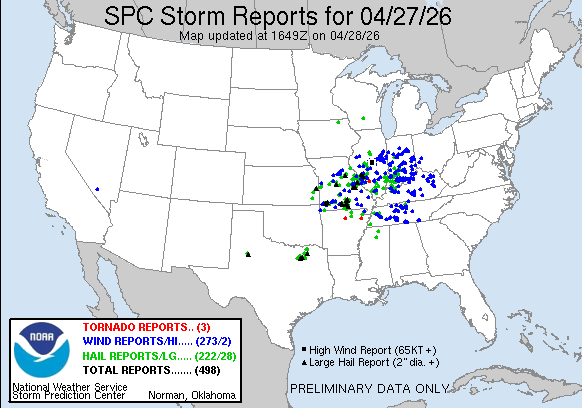
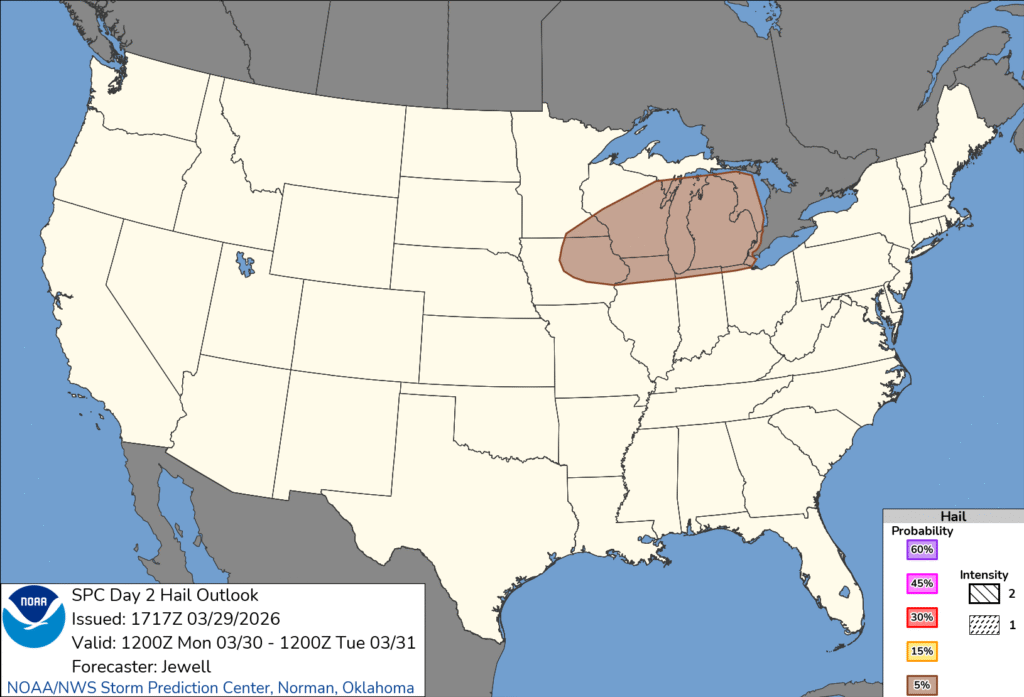
One thing that comes up every year, it seems, and one thing that I write about every single year, is the amount of variability that a single forecast can hold. If you live in the Great Lakes, it feels like there was a particularly significant tornado event, though the SPC had a Marginal Outlook that day. And it was a marginal event. There was one storm that had one track. Terribly, it tracked through three towns and caused damage and heart break and loss of life along the way.

In Minneapolis, there was a significant snow storm over the weekend. There were forecasts that called for nearly two feet of snow as a possibility in the metro and throughout western Wisconsin. There were accumulations of that high degree, but they were about 30 miles southeast of Minneapolis. It was a slog, to be sure, but not the one that had been feared originally.

This time, though, I want to tie it back to a couple of other trending headlines. Artificial Intelligence and the current administration. Artificial Intelligence has been around for a while. The big change is a revolution in computational power. Meteorologists have used numerical models for decades, now, and they have been aided by computers since that time. They work by reducing the time it takes to navigate the numbers ingested into the models. Increasing compute abilities makes the models run faster, and without the same server load.

The increased ability to compute these models has allowed private enterprise, and increasingly, private citizens to develop their own models, based on smaller territories, or focused on specific metrics derived from the model guidance. There are any number of WRF models for specific locations out there now. It takes a lot less to crank one of these models out, for the same reason that AI is exploding nowadays: Faster computers.

But the problem with models is the same as it has always been. They are only as good as the data that is ingested to generate them. More or less ,this is the problem with AI and the large language models that are so popular. Real time data is collected hourly from airports and other sensor sites. Upper air data is collected in the weather balloons sent from WFO office, of which there aren’t really THAT many. And they are sent up fewer times a day. And now, actually, even fewer than before thanks to government cutbacks.

There is a larger point that could be made about AI and it’s future impact (that it’s only as good as the user and data ingested), but instead, I’ll make a point that I make annually. The forecast will always get you close to what will transpire perfectly, however there is always going to be some inaccuracy, related to the resolution of the models. It then is on us, the consumer to monitor weather that is ongoing, and to know your local geography.

Man, if I write this every year, maybe I should just ChatGPT it next year?

Next up: Heat

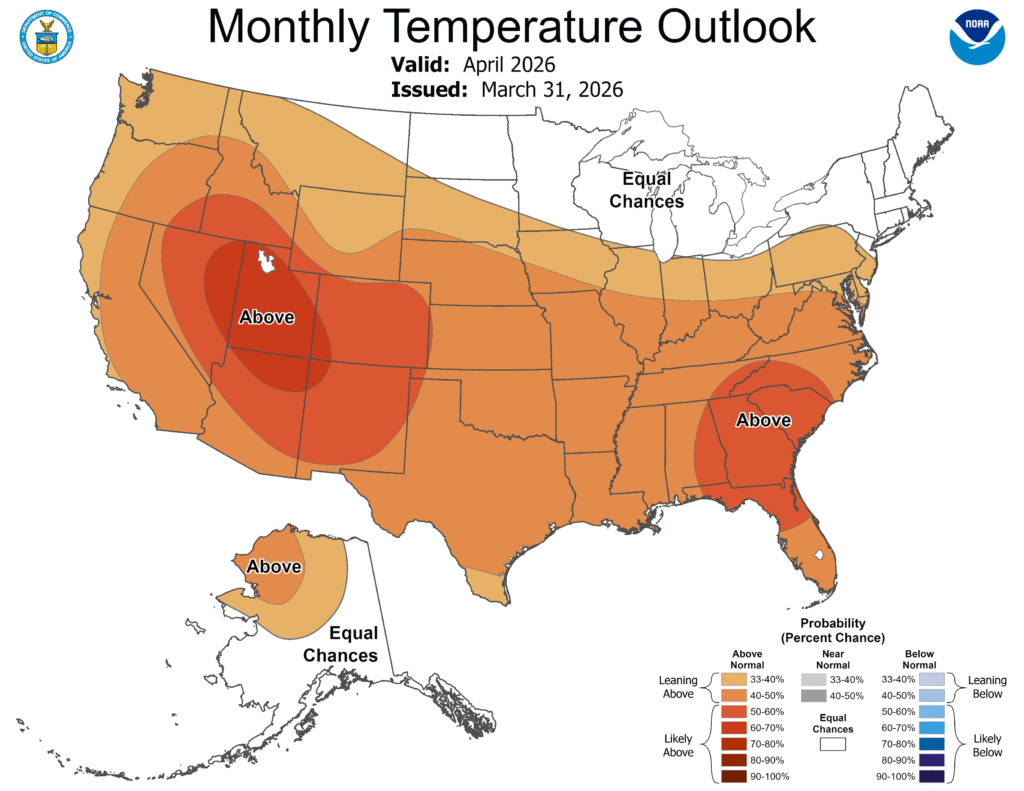
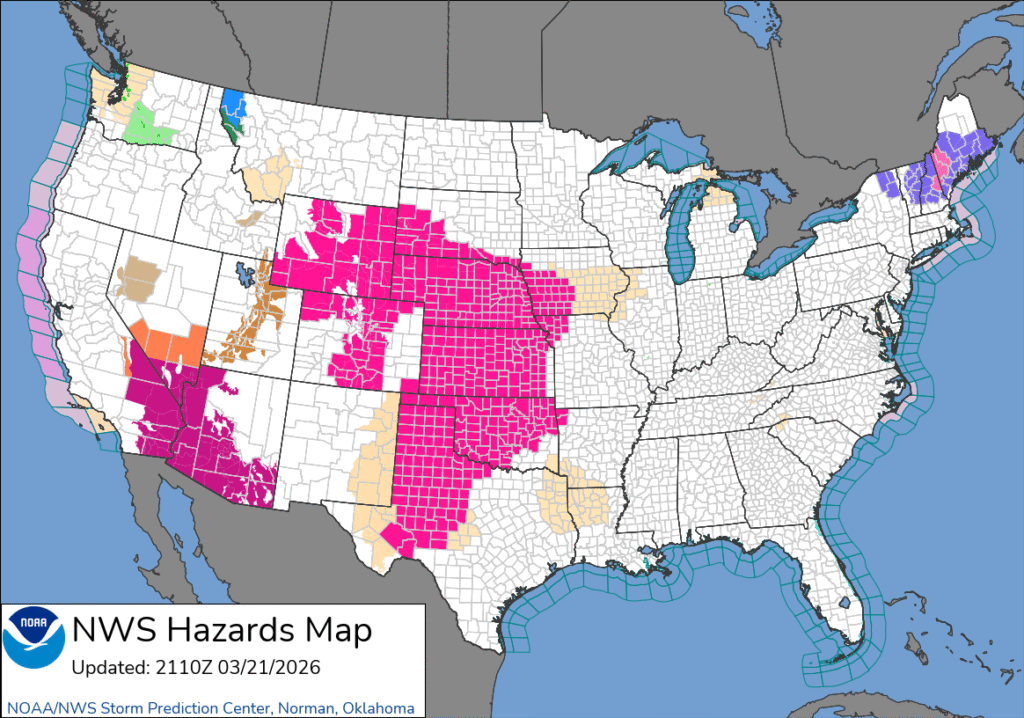
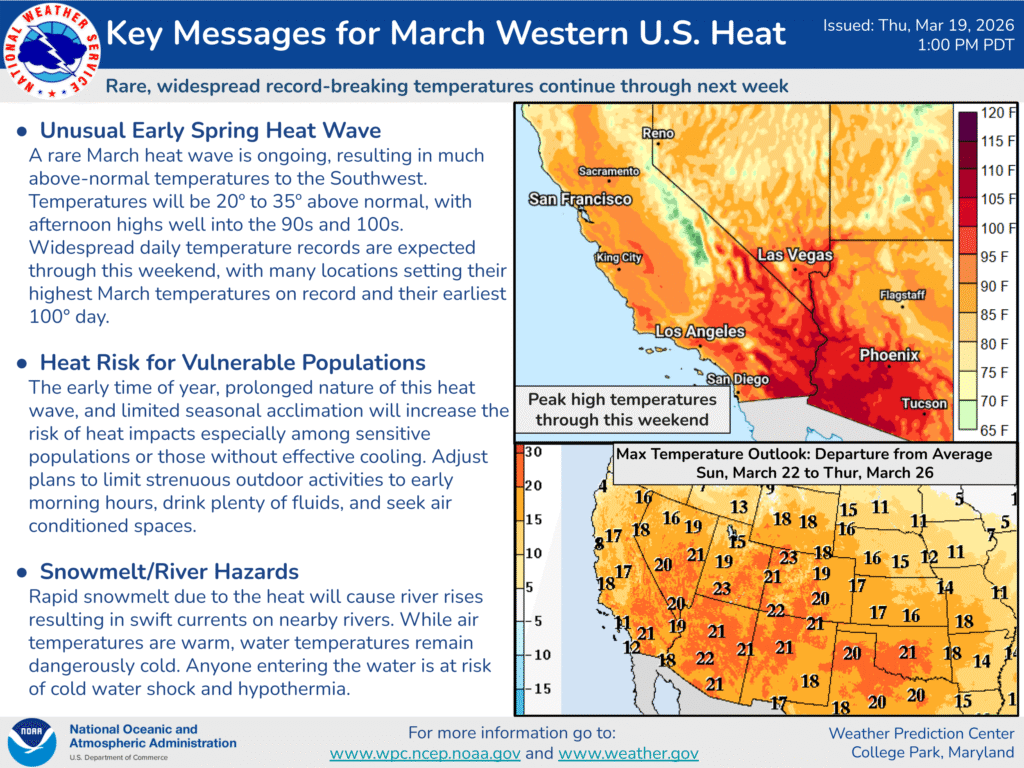
There have been plenty of, and will continue to be plenty of, storms for the spring. This weekend will be highlighted by snow and severe weather. Behind that? Historic warmth.

A double round of hot weather is coming for the western US, and will end ski season and all the good vibes of a healthy winter of moisture. We aren’t just talking a little warm, either. By the middle of next week, places like St. George, Utah could see triple digits. On St. Patrick’s Day!

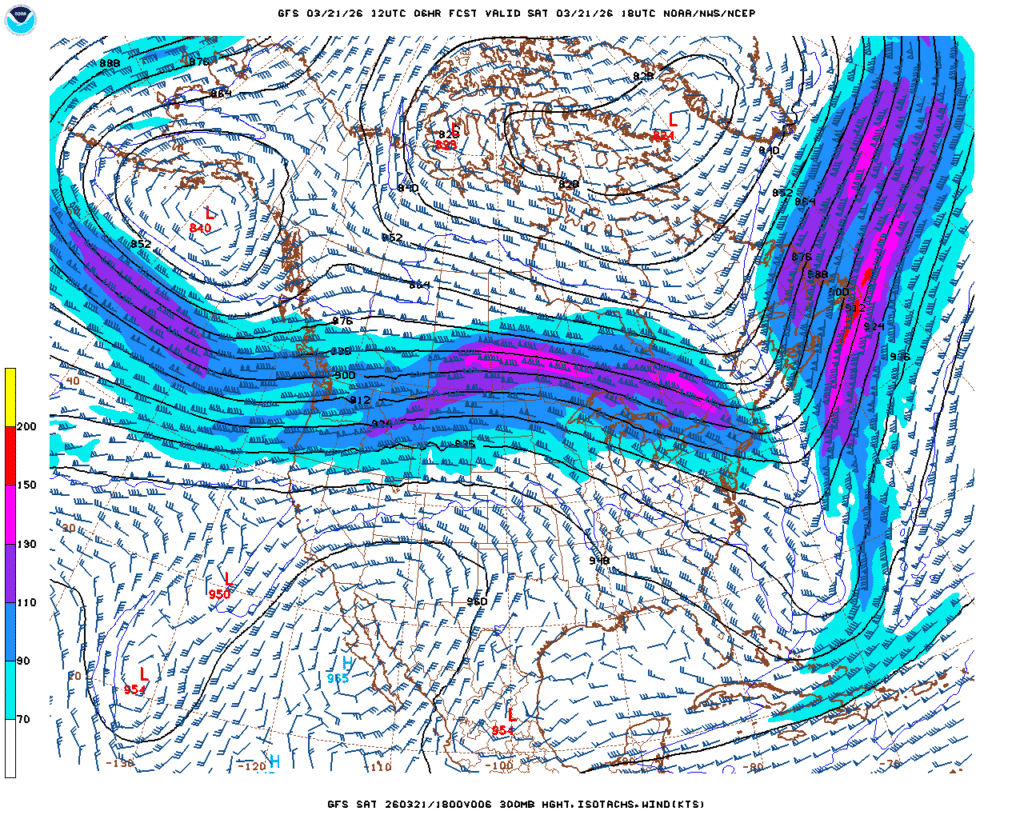
A strong, standing ridge will arc over the western Continental US. Despite a good system in the Gulf of Alaska, the hot high pressure is going to be stuck in. The jet will eventually weaken, but not necessarily move. The heat may wear off as March wears on, but it will not ever fully go away, not for a while, anyhow.

The real hazard will ultimately come from the strength of the surface ridge, and whether or not Santa Ana winds compound things in Southern California.

And yes, between the last two posts here, it’s been a real roller coaster.

With the next round: uncertainty

There was another deadly tornado event in the Great Lakes area on Tuesday. This time, a pair of tornadoes struck south of Chicago, near Kankakee and across the border in Lake Village, Indiana, where two were killed. Local authorities said that, where it not for advanced warnings before the storms struck. The weather impact will not be as further to the northwest over the next 72 hours, but also, we will be absent the forecast certainty.

I’m sorry? What? WHAT?!

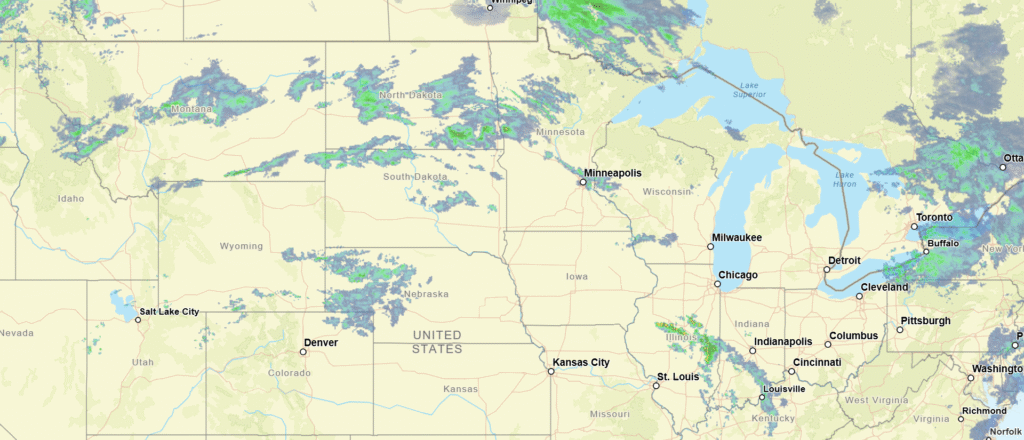
It has already started this evening in Minnesota, and this weekend will be…. something?

The National Weather Service has a feature in which you can see the percentage chance of getting over a certain accumulation level. In the Twin Cities, the chance of getting over 4″ is 71%, over 6″ it is 56%, but then over 8″ it is 46% and over a foot is 35%. If it snows over a few inches, Twin Citians may as well plan on a foot.

That’s no way to go through life!

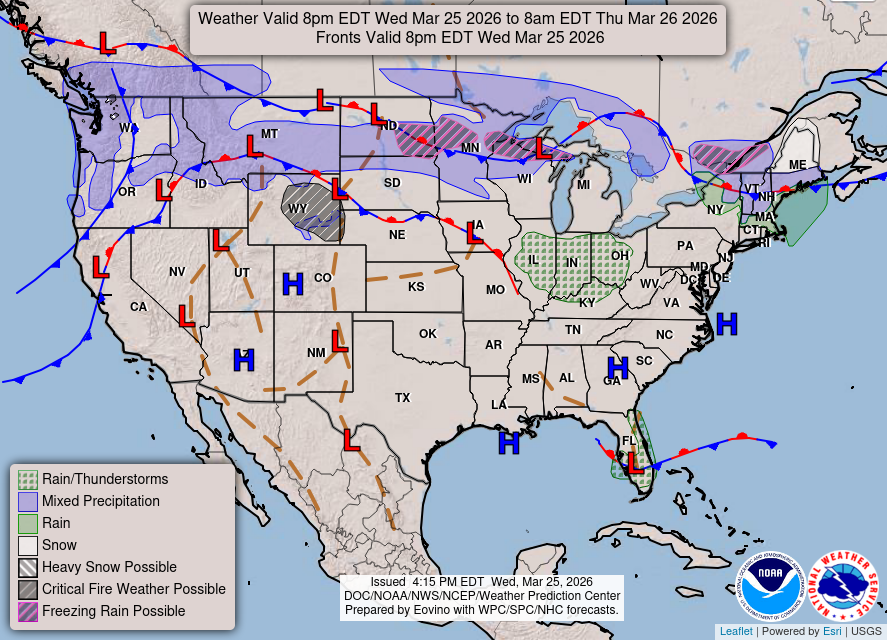
There is a system moving into the Great Lakes tonight, and a stalled boundary that will linger in the region tomorrow, and a warm front that will fill in on Saturday. The real show will come on Sunday.

One way or another, that’s a lot of precipitation inbound. The uncertainty lies with the temperature profile, for one thing, and exactly where that heaviest band of precipitation will set itself up. I wouldn’t be surprised if there is a band maybe 20 miles wide that clears a foot and a half of snow, with the accumulation falling off significantly on either side of that band.

That’s probably the hedge that the NWS is also leaning on, and it will be tough to determine where that heavy band is going to set up, until it sets up.

Severe season strikes hard, early

It’s certainly not unheard of to have severe weather in March. In fact, it’s pretty standard for the first major spring storms to start appearing as early as mid-February nowadays. If there has been anything strange, it is that the storms haven’t been as problematic for Mississippi and Alabama, frequent targets for early season outbreaks.

This past week has featured deadly tornadoes in both Oklahoma and Michigan. Both locales are certainly accustomed to severe weather, but these outbreaks and the deaths because of them speak to the fickle nature of severe weather, rather than the particular strength of the storms in question.

In Oklahoma, there were two days of tornado related fatalities. The first came on the 5th, when a mother and daughter were killed in their vehicle in the northwestern part of the state. The guilty cell was an isolated supercell tracked from the Texas Panhandle

The storms were more widespread on the 6th, with storms, including a fatal storm in the Tulsa area. Certainly, it was unfortunate that such a storm would batter a large population center like this. Even more unfortunate was what looks like a single long track cell that went directly from Edwardsburg, Michigan to Three Rivers, Michigan to Union City, Michigan, doing this: along the way:

This storm claimed the lives of six in southwest Michigan. Aside from this cell, there were no other severe reports in Michigan. This goes to the seasonal reminder that not every tornado is in an outbreak, but all tornadoes can be dangerous. The highest threat level for those days was an “enhanced” risk in the southern Plains, while much of Michigan was labeled as marginal. It’s a reminder for added vigilance when storms are in the forecast, in case the 1 in 10 chance hits, and there are tornadoes, and your home or route is within the quarter mile width of the looming storm.

We do have more storms ahead. It is that time of year, when cold Canadian air is hanging on across the Plains, but the Gulf has started to pump heat and humidity back to the north. Our conflict zone tomorrow, will be from the Great Lakes to the Big Bend of Texas. There are enhanced risk zones at either end of the forecast thunderstorms. Be careful.

February Forecaster of the Month

It was a light posting month here at the Weather Blog, but the weather has still been wild. Fortunately, after two months, a clear cut, reliable forecaster has emerged. Two for two, The Weather Channel has won again.

Outlet Forecast Wins (year)
The Weather Channel 2.5
Accuweather 1
WeatherNation 1
National Weather Service 0.5
Clime  
Victoria-Weather  
Weatherbug  

January Forecaster of the Month

January was a return to winters of yore. It was cold, there was snow all the way down to Florida and nobody was happy with any of it. Winter is back, baby! On top of that return to normal, we had a return to normal in our forecast champions: The Weather Channel was the top forecaster to start 2026.

Outlet Forecast Wins (year)
The Weather Channel 1.5
Accuweather 1
National Weather Service 0.5
Clime  
Victoria-Weather  
Weatherbug  
WeatherNation  

The weather map is flipping

It’s been a brutal winter for the eastern part of the US, particularly in the southeast. Temperatures have been colder than normal, and there have been historic ice storms. Parts of the country have endured subzero temperatures for long stretches, while further south, even as far as central Florida, temperatures were, at times, below freezing. No longer!

The trough that has been in place over the eastern US, the lobe of the polar vortex that has made everyone so uncomfortable is now back up in the Arctic where it belongs, and a warmer batch of high pressure is moving into the middle of the country. Temperatures are warming up, first in the Plains, but eventually through the Great Lakes, Tennessee Valley and on to the East Coast.

We haven’t talked much about the West Coast, save for more normal conditions and some persistent rain earlier in the winter. The precipitation was intense at times, but more recently it has been dry and warm, just like we have grown to expect along the Pacific for the past few years. The early season rain has tamped down the concerns, and guess what? The early season rain looks like it will be late season rain as well.

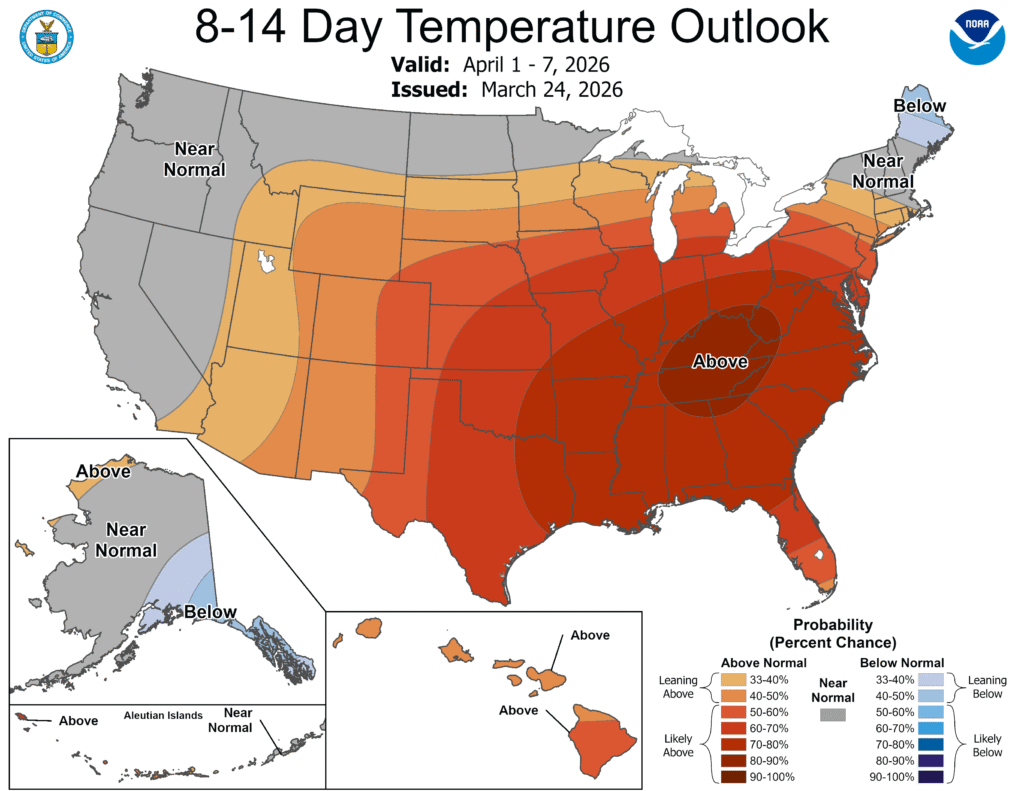
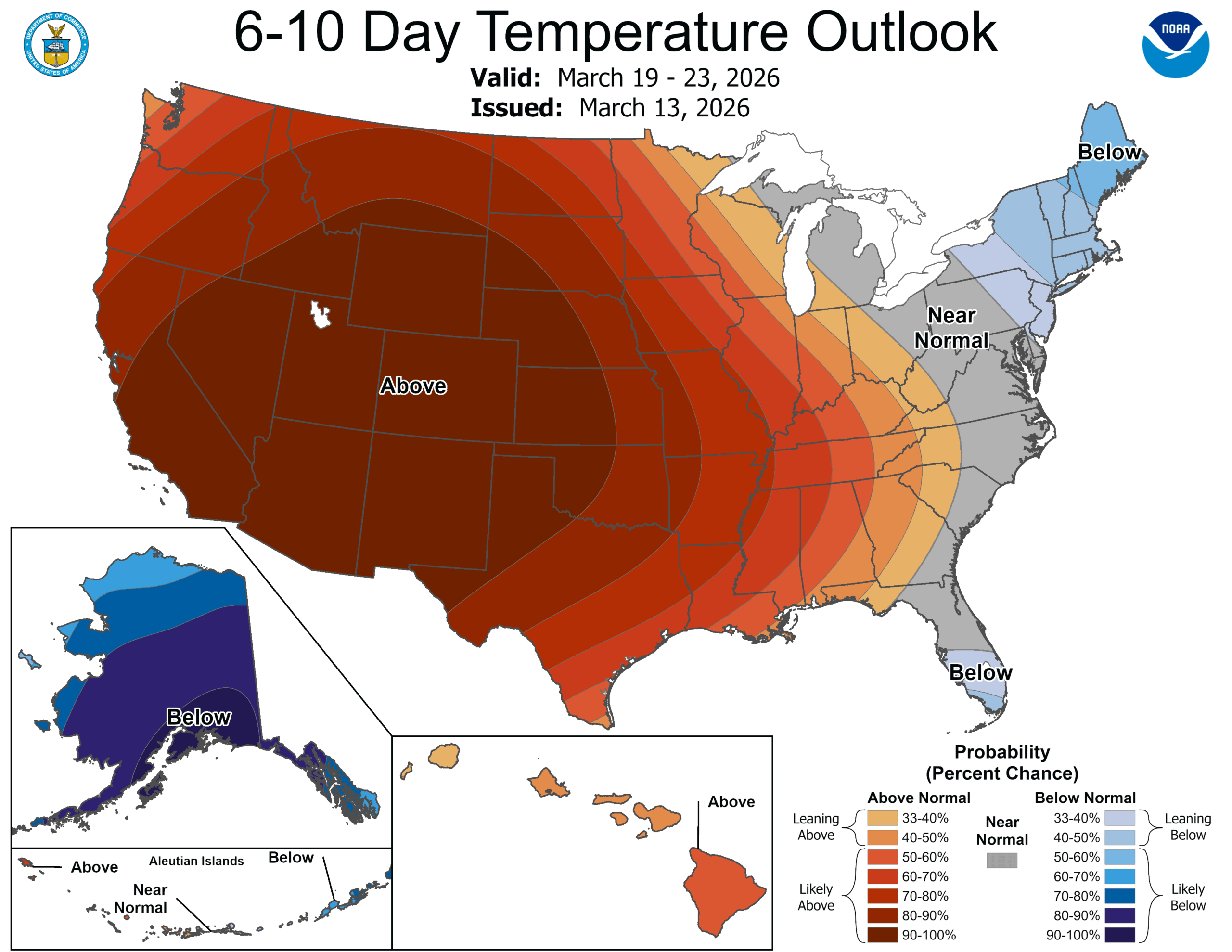
In the very near future, the movement off of the persistent eastern trough is allowing generally more activity through the lower 48. Pattern movement means precipitation, as it will nationwide next week, but also, systems east of the Rockies will draw their energy from the Gulf and points southward. This is early for this sort of pattern, which means above normal temperatures for about 4/5ths of the country.

Of course, the active pattern will begin out on the West Coast, with rounds battering California before moving into the Plains, where low pressure will deepen and cause the increasing warm air and action discussed in the previous paragraph. The temperature trends are swapping coasts, and along with it, expect a stormy time ahead.

A more targeted storm is incoming.

My friends, I regret to inform you that, once again, in the Carolina Plains, it will be snowing again. That is the bad news. The good news is, there is a reason that I specifically called out this particular area.

The polar vortex is still parked over eastern Canada, which means a persistently active, and most importantly, a continually cold stretch of time for America east of the Rockies. Later this week, the upper level structure is going to rotate further to the south and a bit to the east, which is going to do two important things. One, it is going to get even colder for an unfortunate chunk of the country. Additionally, it is going to push the storm track south and a bit to the east.

The trough, in its motion, is going to have improved vorticity, and an increased capacity for cyclogenesis. What does that mean? It means low pressure is going to develop towards the southern base of the trough. As I said, this feature is going to be shifting further south and a bit to the east, which means the surface area of low pressure is going to develop south and a bit east of where the weekend storm went. Offshore.

This does mean the storm going to be stronger, with a deeper central pressure. This means that despite less moisture, and a narrower focus for the precipitation,, the wind will drive most of the issues. There are blizzard watches out for the Piedmont, but there aren’t any snow accumulation forecasts for even double digits that I have seen. And absolutely no forecasts for ice.

So even with the limited precipitation relative to last week, the nature of this storm is that it will be stronger at it’s heart, colder and windier. Snow that falls will be heaviest in the Carolinas and Virginia, but there may be a few flakes along the immediate coast from New Jersey through Massachusetts, but there too, the big threat is blustery wind.

The winter weather will pick up overnight tomorrow in the Carolinas and Virginia. The wind will peak Saturday night, and will be worst in the Outer Banks. The cold will move back in and continue to linger. The good news is, this storm i narrower geographically, and won’t have ice. But it will be windy. Stay safe, and tie down the lawn chairs.

Country blasted by winter weather

This weekend saw much of the country paralyzed, with millions losing power, thousands of flights canceled, and recovery an ongoing battle. The snow is still actively falling in parts of New England, but the thaw is not ready to move in yet. Everything that was frozen this weekend remains so.

A deep and strong trough has been ebbing and flowing across the eastern two thirds of the country for a couple of weeks now, and at long last, the surae organization matched with what was going on aloft. Low pressure developed in the Southern Plains and was able to tap into Gulf moisture, while at the same time drawing very cold air from the Canadian Prairies.

As we saw with our forecasts in Florence and Rome, several days before the storm set in, there was already cold air in place. The storm, therefore, wasn’t necessarily marked by the great conflict of air masses, but rather the incredible amount of moisture that was able to blanket the country.

The area covered by freshly fallen snow, mapped below with the heaviest totals coming from western Pennsylvania to Massachusetts, is an elongated southwest to northeast line, starting in southern New Mexico and running to New England. It tells the story of the track of the storm, starting in the southern Plains and ending up in the Canadian Maritimes. A “Texas Hooker” to be sure. Snow was measured over two feet in some of the terrain in Pennsylvania, and well over a foot throughout Massachusetts.

A broad area of accumulated ice, pictured below, is found on the southern fringes of this vast area of snow. This is where the most significant damage you have head about is showing up, from northern Mississippi, to Nashville and on to the Carolina Plains. I saw reports of up to 3″ of accumulated ice, which is devastating. Many places saw an inch, which is debilitating in itself.

The map of this storm tells us that much of the destruction was done by a stationary front, which became a weak, meandering warm front. The cold front associated with this rotating area of low pressure had little to do with what the storm wrought. There were several severe thunderstorm reports around the Florida Panhandle, but for all intents and purposes, this was purely a winter storm.

The cold air has of course eventually found it’s way in, and is keeping all these people buried under snow and ice in a deep freeze. For this particular occasion, the cold front has worked to exasperate an existing problem, rather than being the progenitor of the problems. Cold fronts generally have it easier when they want to raise a ruckus, and are pretty expert at it in the summer and spring, when they have warm air to work with. It takes a special blend of cool temperatures, and the right oscillating warm front to cause the havoc that this weekend’s storm did.

Snowy times ahead?

For the first time in years, California is not beset by a drought. The primary areas in which drought is ongoing this year are further inland. It’s pretty dry nearly everywhere EXCEPT California, which makes for an interesting change of pace.

In the winter, that means that snow is in a deficit. The way to build that snow pack back up is A) through precipitation, and B) through temperatures remaining cold enough for the snow to generate. For one part of the country, at least, there appear to be the correct ingredients, and it may slake the thirst, at least for a corner of the country. Lets look at the CPC outlooks for both temperature and precipitation.

It looks to me like nearly everyone that expects snow this time of year is going to be in for a healthy dose through March. In particular, the northern Rockies will get to combine below normal temperatures and above normal moisture. Montana ski season is on, baby!

Also of note is the bullseye of above normal precipitation for Indiana. This region is one of the driest in the country right now, and a good drink through spring will do wonders. This part of the world is also cold enough to see snow in the winter, and with the forecast for near normal temperatures, they could certainly see some of this precipitation as a healthy dump of snow.

If you are one of the people that likes snow, then you probably do live in this snow zone, which means the forecast is good news. The snow is coming, just hold on.