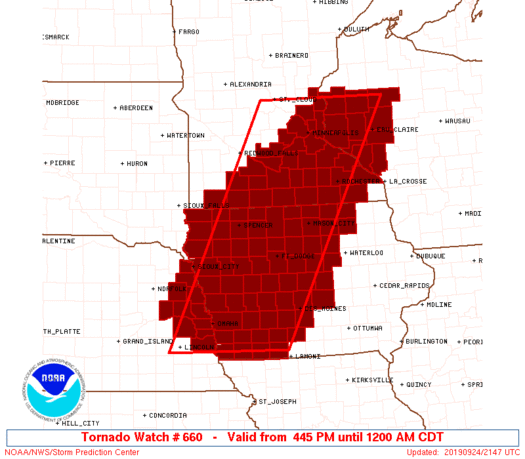
PDS Severe Thunderstorm watch issued for northern Kansas

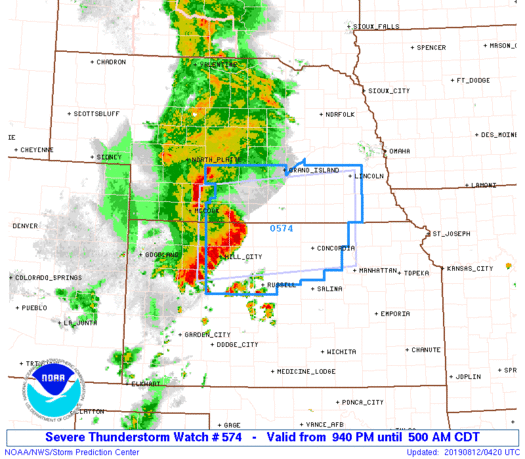
A watch is issued when a dangerous situation is possible, but a PDS, or “particularly dangerous situation” watch indicates a level of certainty for high end severe weather that should give residents within the bounds of a watch pause. The SPC has issued a PDS Severe thunderstorm watch for Northern Kansas and parts of southern Nebraska, including Lincoln.

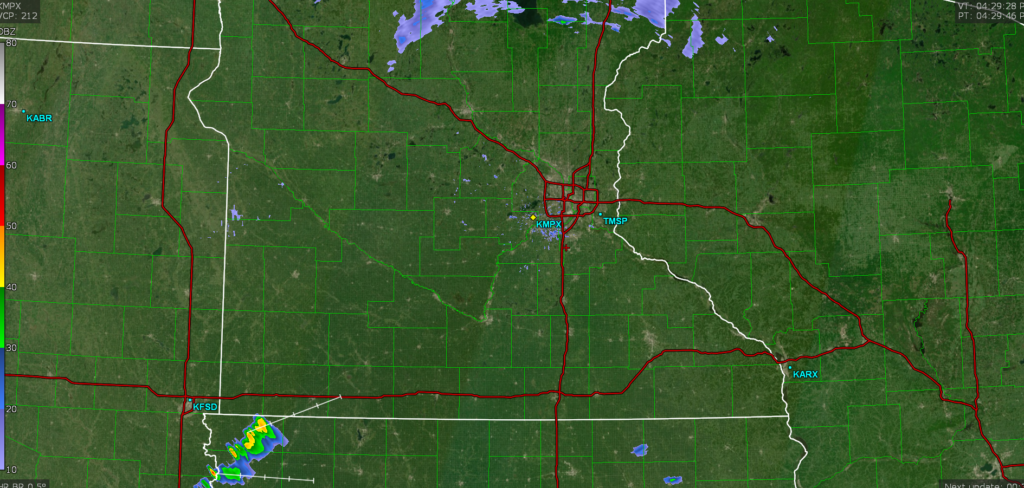
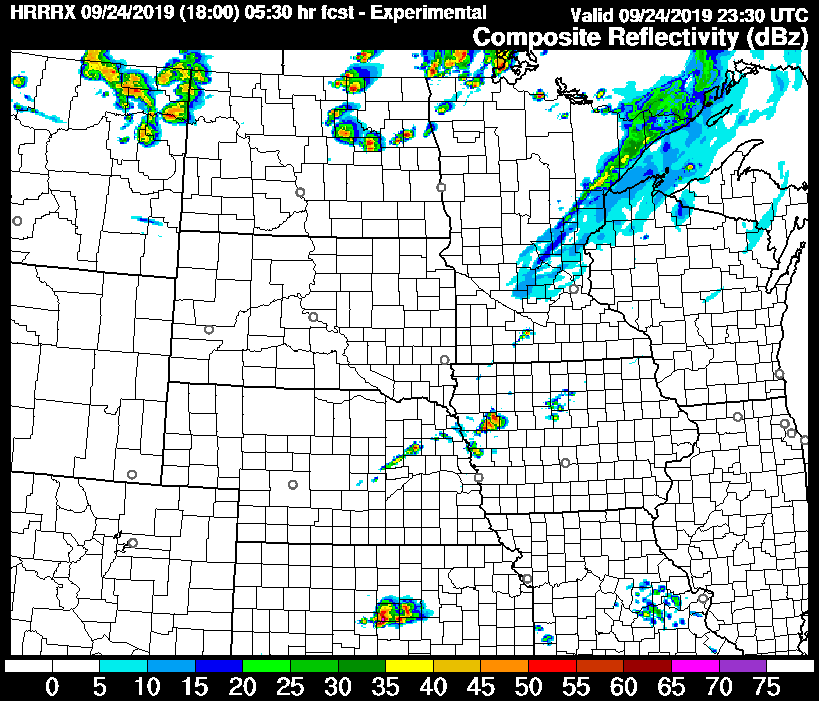
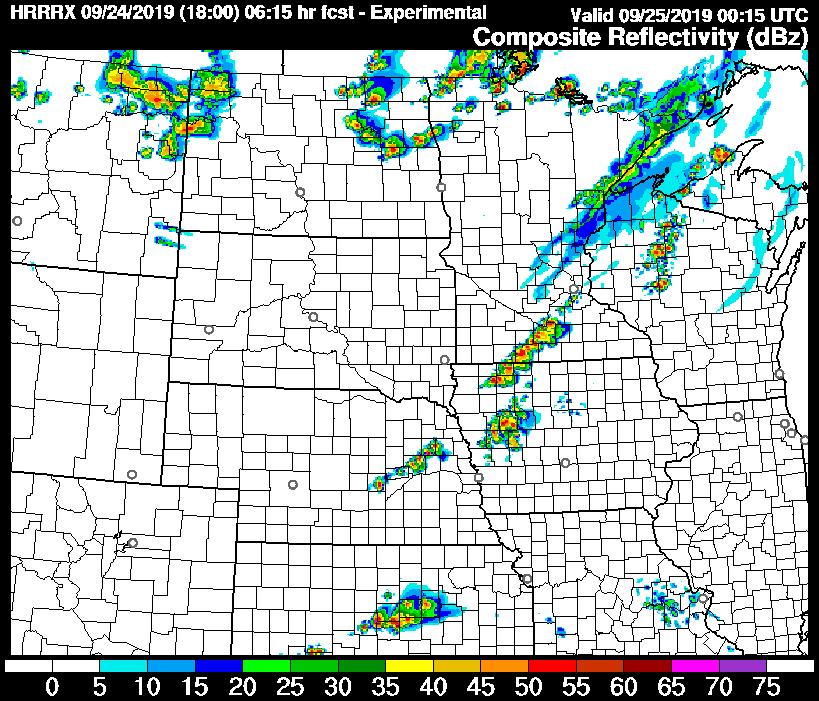
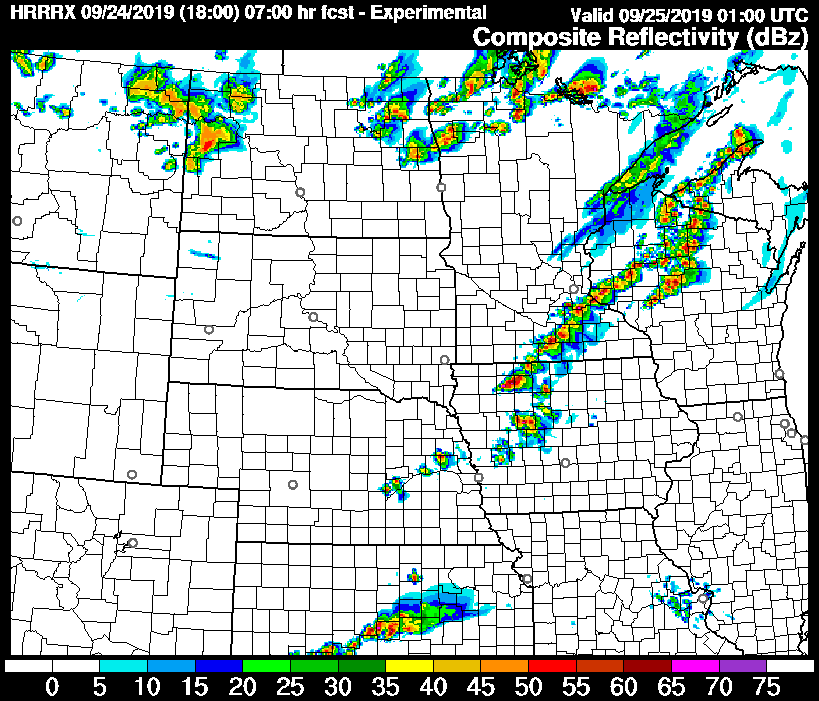
Usually, PDS watches are for tornadoes, when supercells are expected to produce large, long lived tornadoes. In the case of this severe watch, that massive line bearing down on Hill City, and ultimately posing a threat for Concordia before dawn, the ongoing threat will be extremely violent straight line winds.

The text of the watch includes a threat for winds of 85mph or greater, while there have already been reports of gusts to 80mph as the squall exited Colorado. This storm is going to rage overnight, which means it will likely take many people off guard. Unlike tornadoes which usually bring sirens, but ultimately pick and choose their way across the countryside, this storm will not trigger warning sirens in every county, despite the risks, and will likely impact more residents. The PDS attribution should make all emergency personnel in the area take notice and be ready to respond as necessary.

It’s going to be a noisy night.

Tropical season is underway in the Pacific

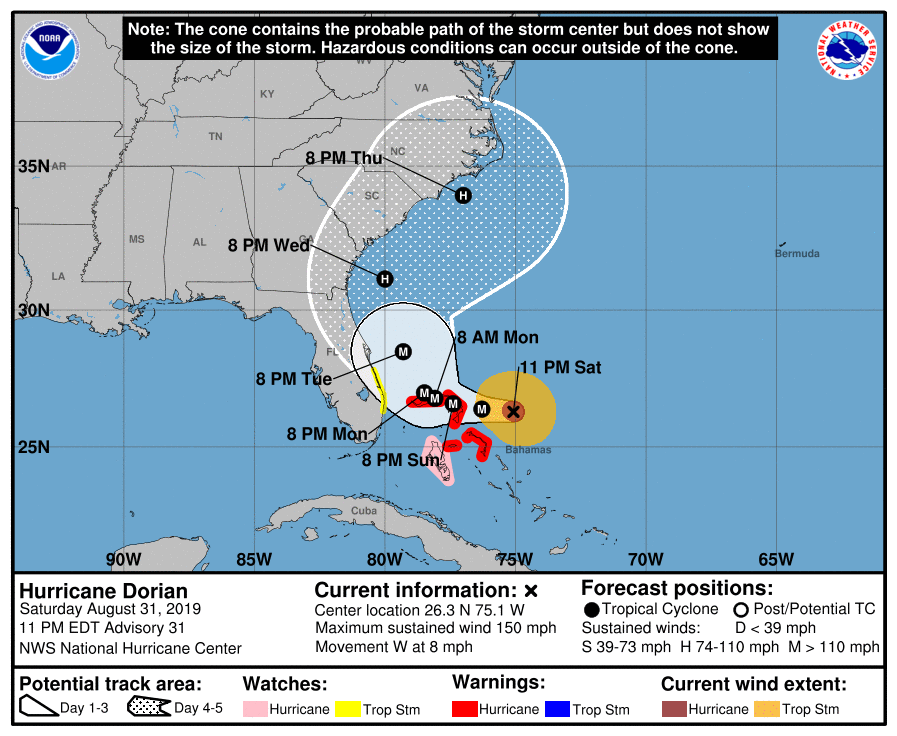
At the time of the GIF The Weather Channel tweeted out, Super Typhoon Lekima was a category 4 storm, doing a quick two-step around Tarama Island southwest of Okinawa. Lekima was one of two typhoons spinning in the region at the time, but fortunately, Lekima was ultimately the only one that made its way to the mainland, striking south of Shanghai.

Krosa ultimately flamed out, but Lekima did lead to 30 deaths, most of which came in a landslide in the populous and hilly Chinese coastal regions. The remnants of the storm are still moving up the coast, and though it no longer maintains the same levels of intensity, the heavy rains are going to continue to bring problems to many communities.

While Lekima was fierce and scarier still when in tandem with Krosa looming on the horizon, we are in a surprisingly calm period, given the time of the year. The Pacific is generally faster to start tropical season than the Atlantic (which remains remarkably dormant) but aside from Lekima and Krosa, there are no other named storms on the planet.

The Eastern Pacific looks next to give rise to another storm, as models seem to hint at something popping up in the next 10 days, but the Eastern Pacific is usually one of the safer places for tropical development, interception with land is rather difficult.

It’s still a month from the peak of the Atlantic season, and the Pacific Season can often come in waves, but through the middle of August, we look to be n a welcome pause this tropical season, especially in eastern China, where recovery is needed.

July Forecaster of the Month

Summer time in the forecasting world can be fairly sporadic, and won and lost on the margins, especially if you don’t take into account the tropical season, which has been, this year, fairly dormant. Those margins, though, can be pretty important, particularly in the energy sector, where temperature forecasting becomes crucial, and every degree matters. It may not seem as important to the lay person, but this win for Accuweather, is just as important as any other month.

OutletMonth wins
Accuweather1.58
WeatherNation1.33
Victoria-Weather1.25
The Weather Channel0.75
Forecast.io0.75
National Weather Service0.33
Weatherbug
OutletMonth winsyear wins
The Weather Channel0.7510.7
Victoria-Weather1.259.95
Weatherbug07.58
Forecast.io0.756.75
Accuweather1.586.61
National Weather Service0.335.78
WeatherNation1.335.61

Barry looms over Louisiana

Barry formed sloppily over the northern Gulf of Mexico late in the week before he made landfall near Intracoastal City, in the south central part of the state. The forecast was for a weak hurricane, at some point, and it was, but Barry made his landfall as a tropical storm.

The traditional concerns with a hurricane – wind and storm surge, looked to be mitigated by the general disarray of the storm even as he approached the coast. Note that the center of the storm is actually on the far north side of this batch of clouds, taken on Friday.

NOAA/NESDIS/STAR GOES ABI BAND 02 OR_ABI-L1b-RadC-M6C02_G16_s20191932011330_e20191932014103_c20191932014148.nc

There was no rain ahead of the storm either, but that has since changed. There is now a sizeable plume of heavy rain over eastern Louisiana, with more intense bands in central Mississippi.

Barry isn’t sluggish, like Harvey a couple years ago, nor does it possess an otherworldly amount of rainfall, and isn’t very blustery. In most years, Barry would pass through inconvenient but forgotten

This year, however, the Plains have been beset by a whole lot of rain after an active late spring snow season. The Mississippi River was already up as a result of the upstream backlog, and now, Barry’s downpours will overwork the lower River and Delta. Fortunatley, the storm surge was mild, and in better news, the city of New Orleans sounds confident of the changes they have made post-Katrina. Nevertherless, Barry will continue to provide a threat for flash flooding in low lying areas in tbe far southern part of the state. Of course, the entire area is a low lying area, so be vigilant if you are riding this out in the bayous.

A reminder: Thunderstorms are strong!

While strong synoptic scale systems, from Nor’Easters to Hurricanes are recognized for the sheer kinetic energy they possess over broad swaths of earth, it’s important to recognize that individual thunderstorms have an unbelievable amount of energy as well, and it’s all expressed faster and over a smaller area.

This video captures the flash flooding produced on Monday morning by a slow moving “every day” thunderstorm across the DC area. Even non-severe storms are capable of producing brisk winds, deadly lightning and as you can see, dangerous flash flooding, even if there aren’t any severe warnings (though this storm was waned for flash floods) and aen’t ultimately any severe reports.

June forecaster of the Month

For the first time as I can remember this year, an outlet thoroughly dominated the competition for a forecast period. The Weather Channel easily attained the top score this month, and they did it by winning or tying at the top spot on 4 of the month’s 6 rated forecasts. No stopping The Weather Channel, who now also takes the lead on forecasts wins for the year.

OutletMonth wins
The Weather Channel2.7
Weatherbug1.5
Forecast.io1
Victoria-Weather0.2
National Weather Service0.2
Accuweather0.2
WeatherNation0.2
OutletMonth winsyear wins
The Weather Channel2.79.95
Victoria-Weather0.27.7
Weatherbug1.57.58
Forecast.io16
National Weather Service0.25.45
Accuweather0.25.03
WeatherNation0.24.28

A hot weekend is on it’s way

Take a look at the high temperatures coming your way this weekend, middle America.

Now, this map, in my opinion, is a bit misleading, becaue we have been groomed tro believe that red is hot and yellow is merely warm. Look again, though, and see that yellow is 90. Triple digits will be possible as far north as central South Dakota tomorrow, even if the color scale is a touch muted.

This doesn’t take into account the humidity that will flow northward a long with the heat. Excessive Heat advisories are in place across the region this weekend, as far north as Minnesota thanks to heat indices expected to reach the 110s in some northern states. After a cool start, this will feel even hotter for local residents.

Severe weather lingering to the south

Before we begin, let’s take a moment to appreciate the duck like appearance of today’s severe weather outlook.

Quack quack quack. Now, the breast meat of this duck-look is featuring an enhanced risk of severe weather. Looking at the bulk of the severe weather in the forecast, it is apparent that here is a cold front running roughly from the Great Lakes to the Red River Valley, with a second embedded low over north Texas to inflame any severe storms in the region.

There is something mildly unusual about this particular forecast, and it has been part of an ongoing trend to the spring and early meteorological summer. It’s been so cold in the central US that the bullseye for severe weather hasn’t really shifted as far north as it usually does this time of year.

Here is the SPC climatology for severe weather for 6/19s through history.

Certainly, there has been severe weather further north this season, such as the tornadoes in Dayton and Jefferson City, and Kansas and Nebraska have had some severe storms as well, but the particularly cool start to summer in the Upper Midwest has kept the Great Lakes fairly quiet so far this season, it has also lead to a prolonged storm season through Texas and Louisiana.

With the long term outlook for the next couple of weeks turning warmer in the center of the country, the severe threat looks to be moving further north. Additionally, a standing trough coming to the west looks to set up a clash of air masses in the Dakotas late in the month to the beginning of July. It’s certainly too far out to make any specific predictions, but it certainly looks like we are on our way to course correction through the middle of summer.

The ongoing messaging struggle

I recently wrote about the challenge of presenting weather dangers in a clearer manner, and how important it was to clarify the risk represented by much of our sometimes vague terminology.

Another problem is that most consumers receive their weather from the media, and the media does indeed to need to drive viewership. I am of the opinion that people who are watching the news are already in it for the weather forecast, as it will help guide their decisions for the day, but some corporate overseers see it differently.

Meteorologist Joe Crain was recently terminated for espousing the opinion found in the above video. His station’s corporate management insisted upon a certain number of “Code Red” weather days with no real threshold for what that meant. Obviously, that runs counter to the efforts of increasing weather awareness for the every day person.

Overwarning, or in this case overpromoting severe weather is akin to crying wolf. If a Code Red day can mean rain for three or four days, how can the viewer know that Code Red means severe thunderstorms or tornadoes on another day?

But alas, the bottom line is financial, especially when a national corporation owns a local TV station, rather than public safety. While Crain was in the right by most clear thinking opinions, he definitely ran afoul of his employers’ business plan. It’s a blight for all meteorologists.

Haboobs aren’t just for the Middle East

This massive, sprawling dust storms are more frequently associated with the sandy deserts of the Middle East, or more locally, the dusty landscapes of the Southwest, but this massive haboob swept into Lubbock, Texas late last week, and was captured by Texas Tech University for all of us to marvel at.

As the Red Raiders noted, the haboob is formed, as they often are, but winds rushing away from thunderstorms, thanks to downdrafts hitting the earth and spreading outward, faster than the storm motion itself. This is a feature that often appears in the desert where the climate is arid and the ground can get dusty, but where instability can be such that strong, but low precipitation thunderstorms can develop. Usually, there is more moisture available than this in West Texas, but on this occasion, we get quite the show.