Underdelivered

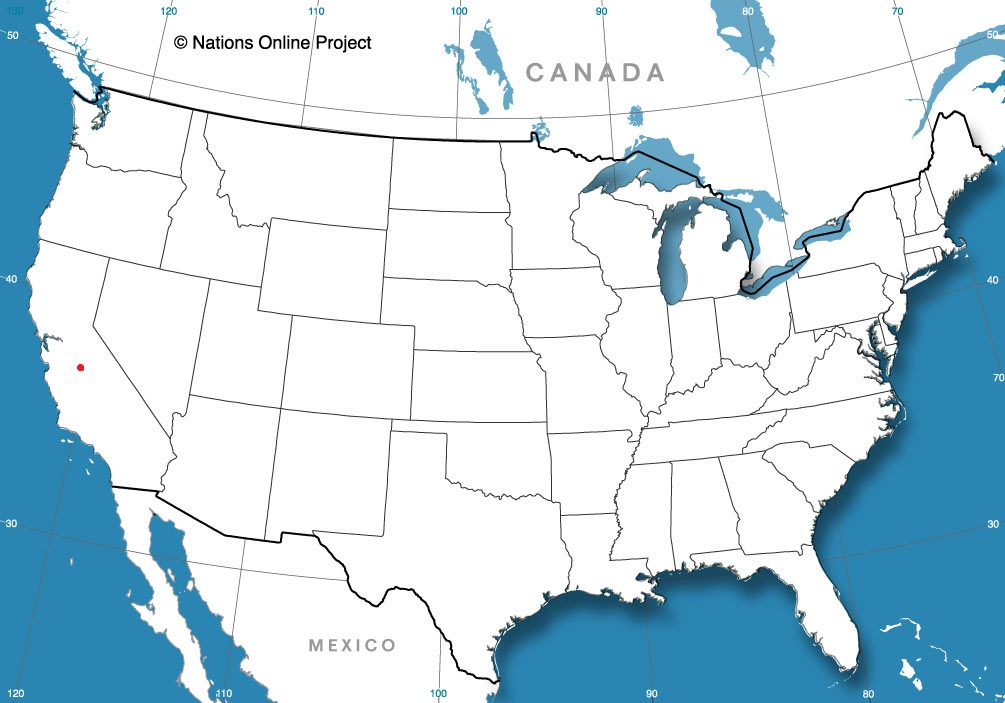
At the beginning of February, we looked at the forecast in Janesville. From outlet to outlet, there were varying degrees of snow in the forecast for the 6th, from flurries to Clime calling for heavy snow. There certainly was snow in Wisconsin on that Friday, but none of it was reported in Janesville. It came down to temperatures, as it often does. The cool down was particularly well forecast across the board, however the warmth ahead of the snow was underestimated, leading to widespread forecast error. The real issue was how much the temperatures would cool that night, which meant that the warmest low temperature forecast ended up winning the entire forecast. The Weather Channel was the winner.
Actuals: February 6th, High 40, Low 18
February 7th, High 24, Low 9

Grade; C

January Forecaster of the Month

January was a return to winters of yore. It was cold, there was snow all the way down to Florida and nobody was happy with any of it. Winter is back, baby! On top of that return to normal, we had a return to normal in our forecast champions: The Weather Channel was the top forecaster to start 2026.

Outlet Forecast Wins (year)
The Weather Channel 1.5
Accuweather 1
National Weather Service 0.5
Clime  
Victoria-Weather  
Weatherbug  
WeatherNation  

Coming out of the deep freeze

At the beginning of the month, we took a look at Ames, Iowa‘s weather. It was a towards the end of the prolonged icy grip on the middle of the country, and temperatures were trying to warm up a bit. The cold wasn’t ready to let go, however, and temperatures never breached the freezing line. The snow remained out of the picture, which was some modicum of relief, and with the benefit of hindsight, we can see that it eventually would get warmer in Ames. The forecast was interesting. The consensus forecast was nearly the best one, but WeatherNation ended up earning their own spot on top of the leaderboard.
Actuals: February 2nd, High 27, Low 21
February 3rd High 29, Low 16

Grade: B

The weather map is flipping

It’s been a brutal winter for the eastern part of the US, particularly in the southeast. Temperatures have been colder than normal, and there have been historic ice storms. Parts of the country have endured subzero temperatures for long stretches, while further south, even as far as central Florida, temperatures were, at times, below freezing. No longer!

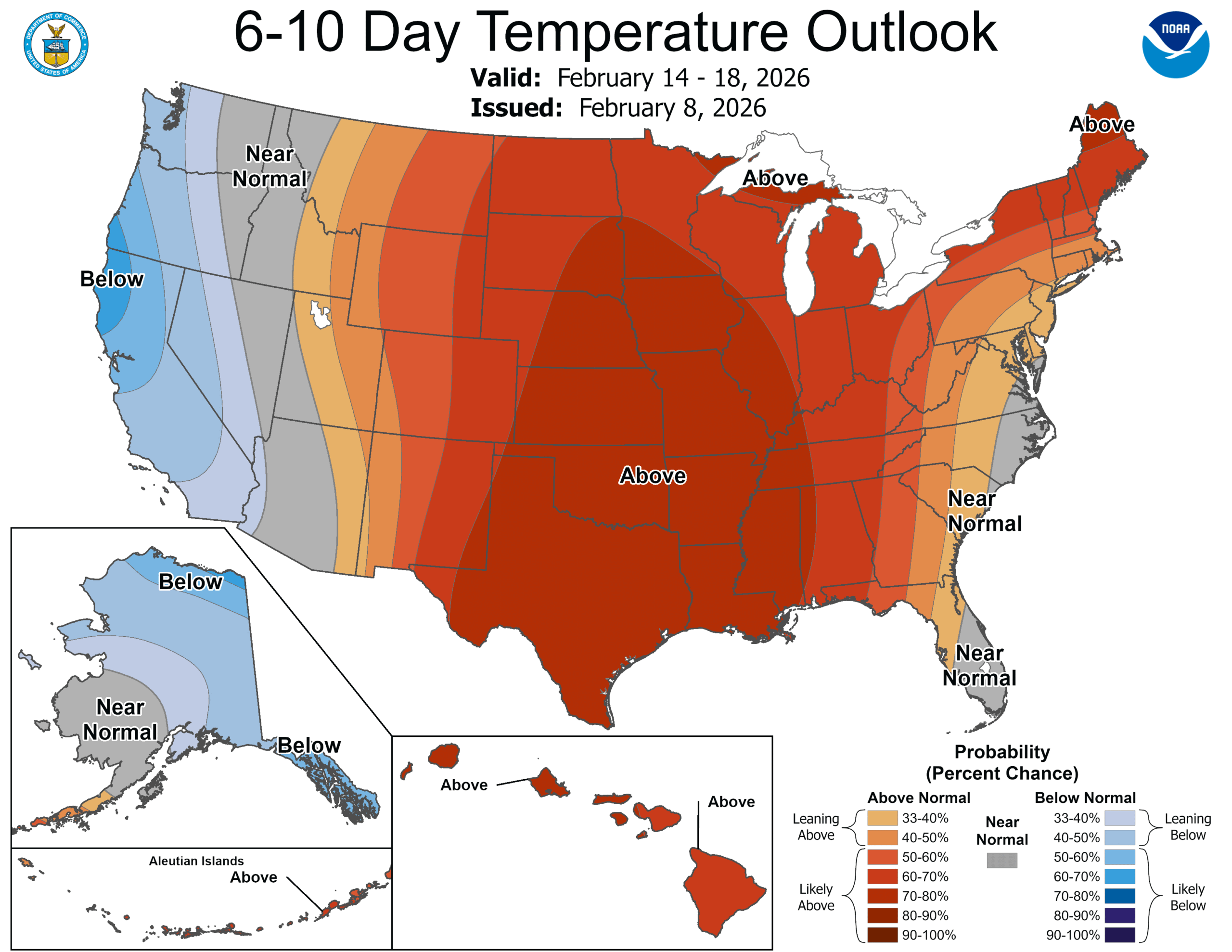
The trough that has been in place over the eastern US, the lobe of the polar vortex that has made everyone so uncomfortable is now back up in the Arctic where it belongs, and a warmer batch of high pressure is moving into the middle of the country. Temperatures are warming up, first in the Plains, but eventually through the Great Lakes, Tennessee Valley and on to the East Coast.

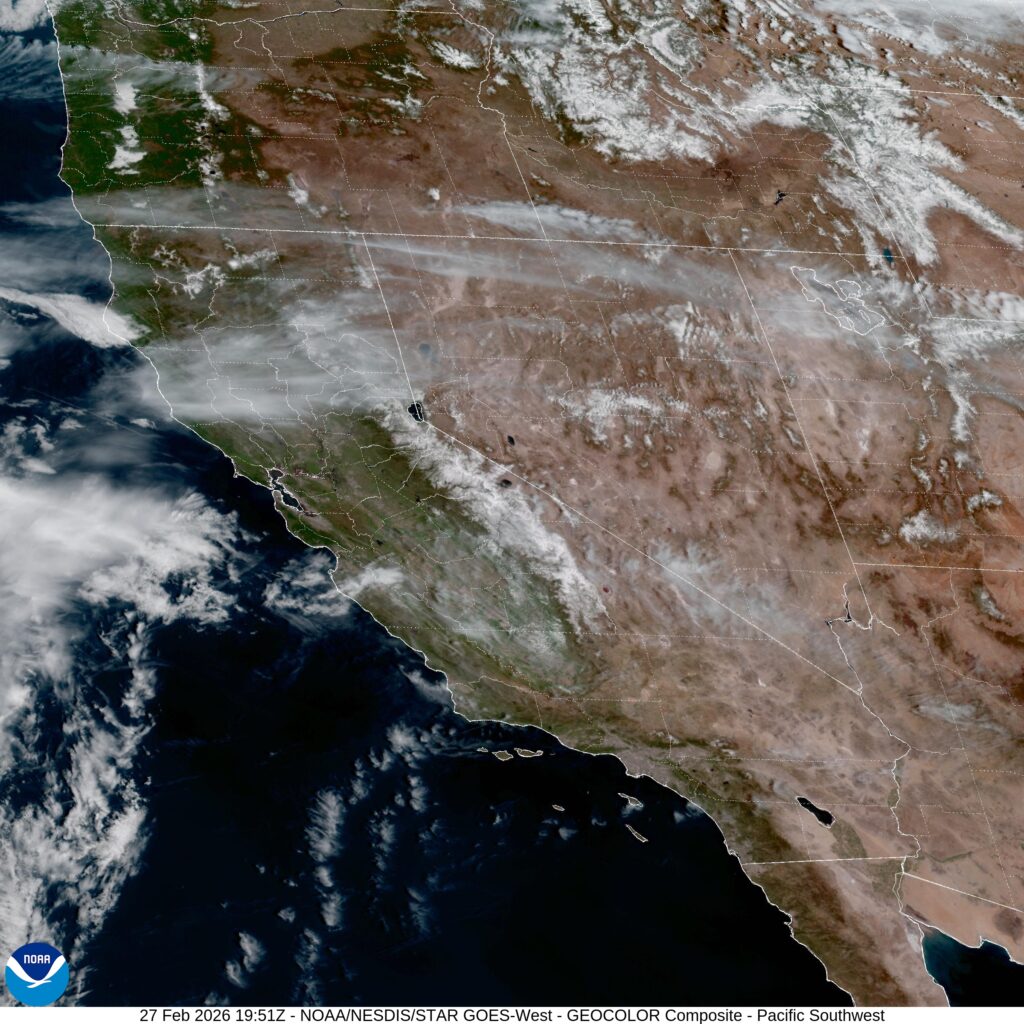
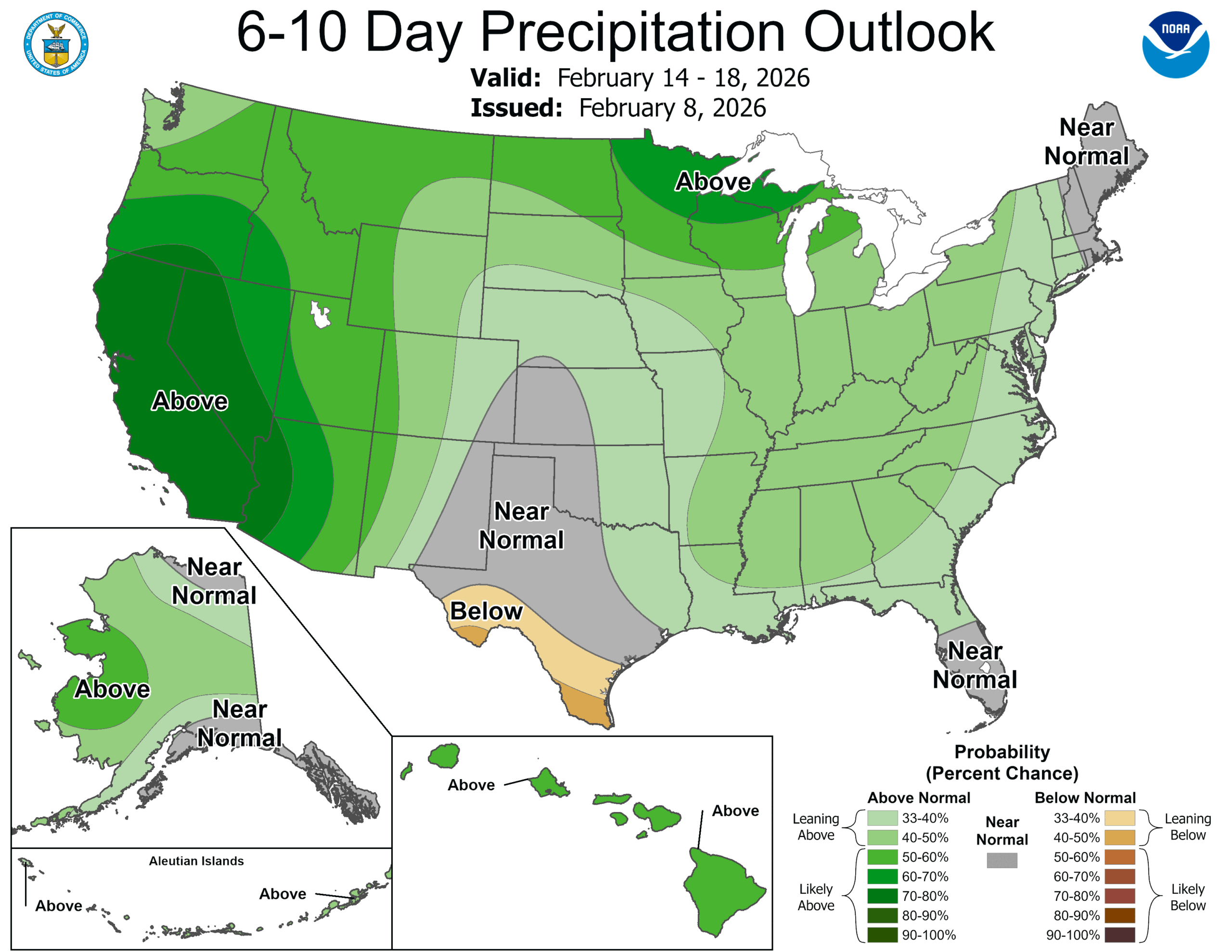
We haven’t talked much about the West Coast, save for more normal conditions and some persistent rain earlier in the winter. The precipitation was intense at times, but more recently it has been dry and warm, just like we have grown to expect along the Pacific for the past few years. The early season rain has tamped down the concerns, and guess what? The early season rain looks like it will be late season rain as well.

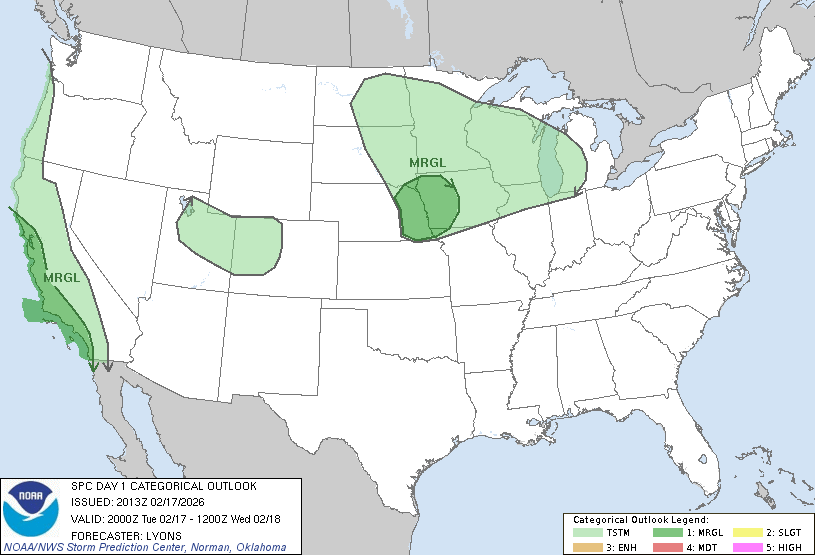
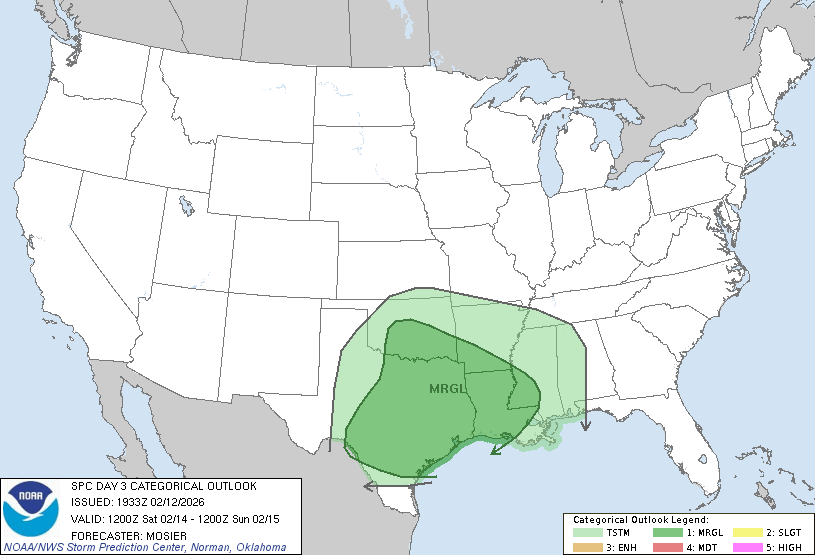
In the very near future, the movement off of the persistent eastern trough is allowing generally more activity through the lower 48. Pattern movement means precipitation, as it will nationwide next week, but also, systems east of the Rockies will draw their energy from the Gulf and points southward. This is early for this sort of pattern, which means above normal temperatures for about 4/5ths of the country.

Of course, the active pattern will begin out on the West Coast, with rounds battering California before moving into the Plains, where low pressure will deepen and cause the increasing warm air and action discussed in the previous paragraph. The temperature trends are swapping coasts, and along with it, expect a stormy time ahead.