It’s been a brutal winter for the eastern part of the US, particularly in the southeast. Temperatures have been colder than normal, and there have been historic ice storms. Parts of the country have endured subzero temperatures for long stretches, while further south, even as far as central Florida, temperatures were, at times, below freezing. No longer!
The trough that has been in place over the eastern US, the lobe of the polar vortex that has made everyone so uncomfortable is now back up in the Arctic where it belongs, and a warmer batch of high pressure is moving into the middle of the country. Temperatures are warming up, first in the Plains, but eventually through the Great Lakes, Tennessee Valley and on to the East Coast.
We haven’t talked much about the West Coast, save for more normal conditions and some persistent rain earlier in the winter. The precipitation was intense at times, but more recently it has been dry and warm, just like we have grown to expect along the Pacific for the past few years. The early season rain has tamped down the concerns, and guess what? The early season rain looks like it will be late season rain as well.
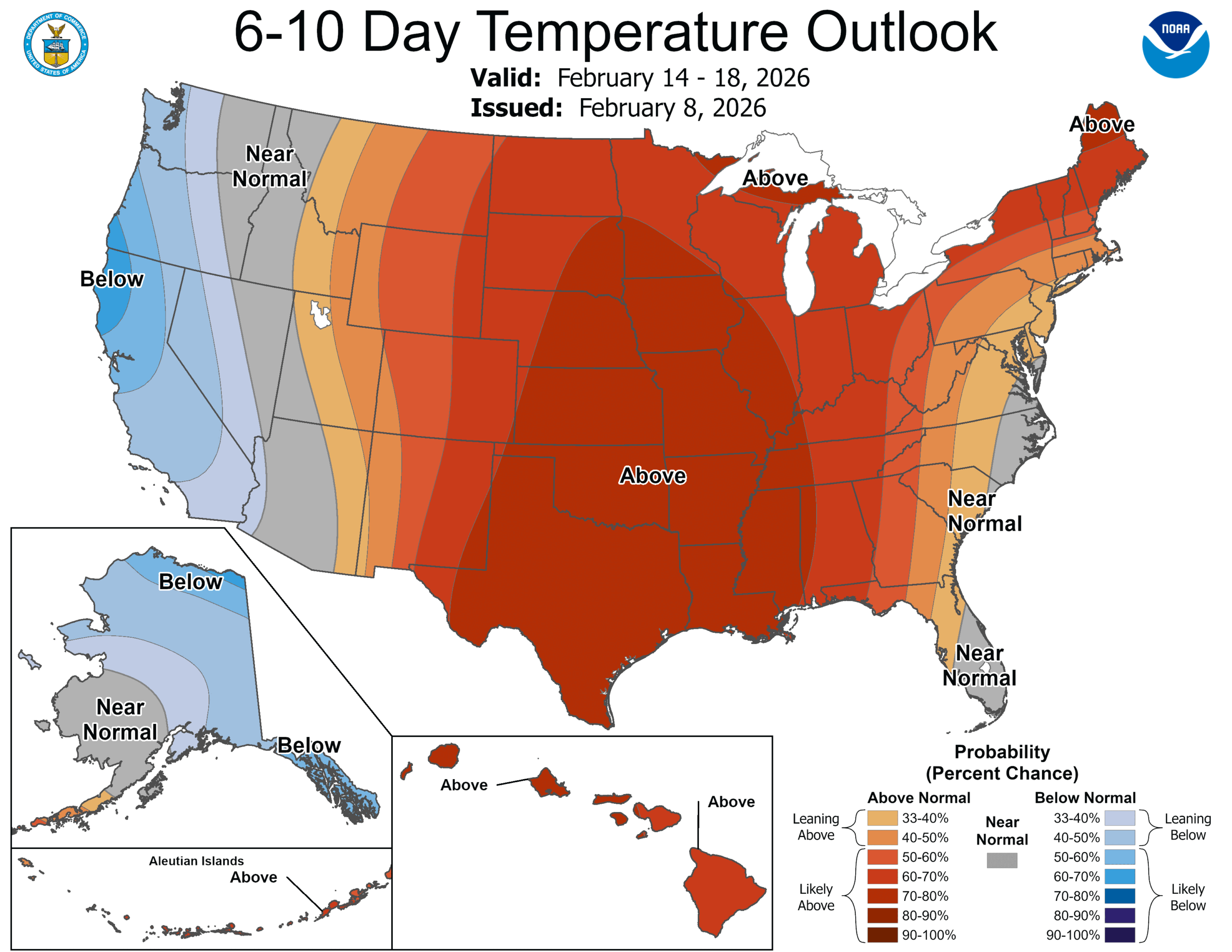
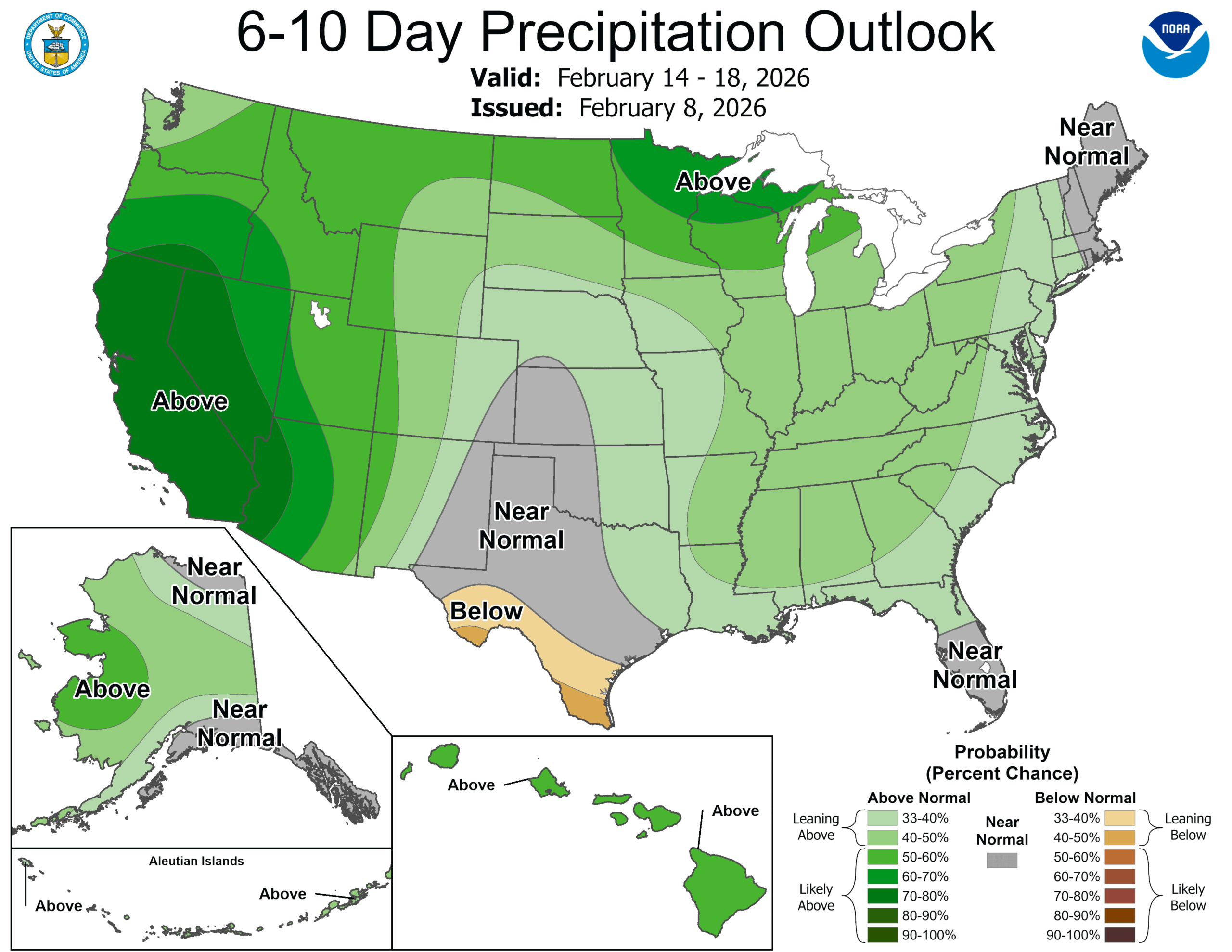
In the very near future, the movement off of the persistent eastern trough is allowing generally more activity through the lower 48. Pattern movement means precipitation, as it will nationwide next week, but also, systems east of the Rockies will draw their energy from the Gulf and points southward. This is early for this sort of pattern, which means above normal temperatures for about 4/5ths of the country.
Of course, the active pattern will begin out on the West Coast, with rounds battering California before moving into the Plains, where low pressure will deepen and cause the increasing warm air and action discussed in the previous paragraph. The temperature trends are swapping coasts, and along with it, expect a stormy time ahead.